
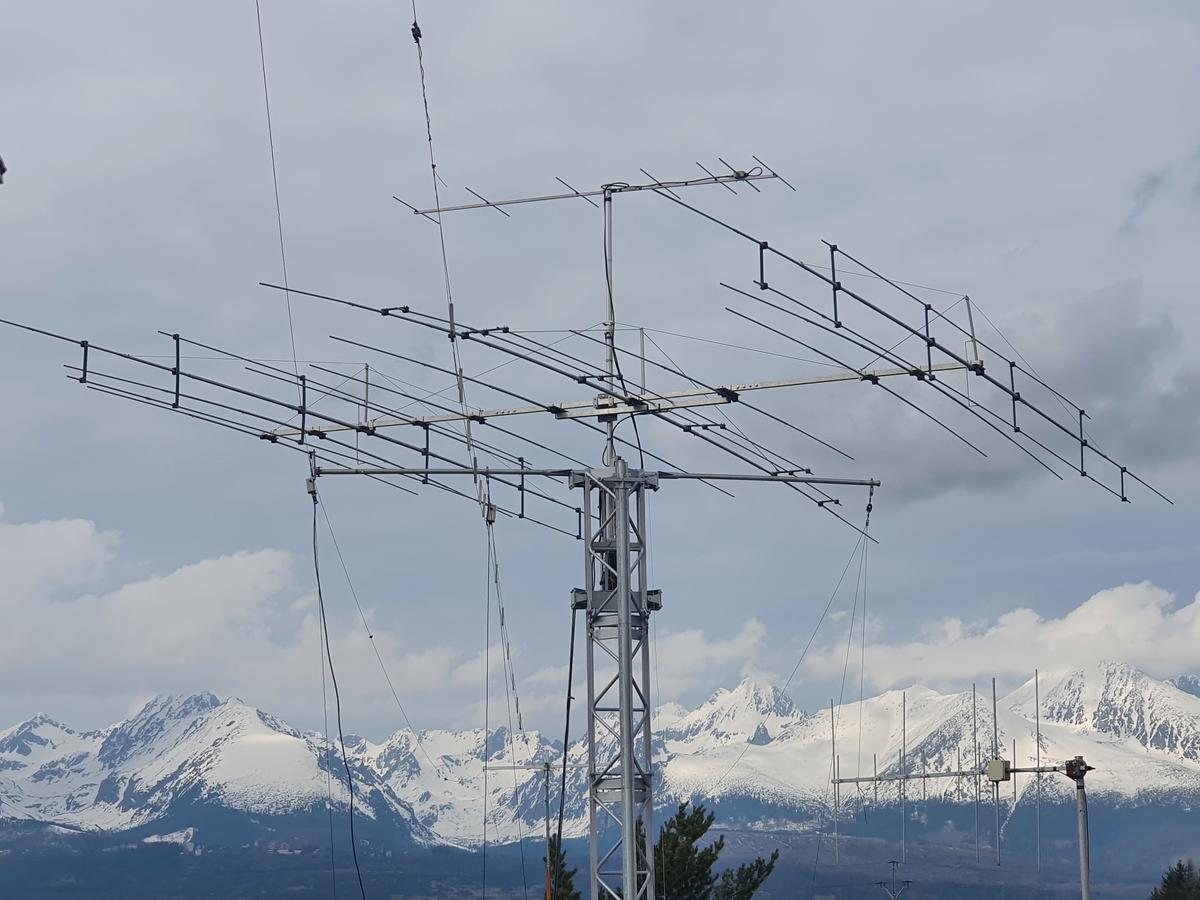
Najväčší rádioamatérsky DX contest roka sa blíži — CQ World Wide DX Contest v móde CW pre rok 2025 sa uskutoční v dňoch 29.–30. novembra podľa oficiálnych pravidiel. Contest trvá 48 hodín (od 00:00 UTC sobota do 23:59 UTC nedeľa) a je otvorený pre amatérov celého sveta, aby nadviazali čo najviac spojení v čo najväčšom počte krajín (DXCC entít) a CQ zón.
V pravidlách sú definované povolené pásma: 1,8 MHz, 3,5 MHz, 7 MHz, 14 MHz, 21 MHz a 28 MHz, pričom sa odporúča dodržiavať zavedený IARU band plán.

Pri výmene v CW móde sa odosiela report RST + číslo CQ zóny (napr. „599 05“). Bodovanie je potom založené na súčte QSO bodov a násobičov (zón + krajín).
Okrem toho, podľa noviniek pre 2025, sú zavedené dôležité zmeny — napríklad bude požadované nahrávanie audio záznamov pre top stanice a tiež žiadosť o popis rozloženia staníc vrátane antén, výkonu a prepínačov.
Zvlášť zaujímavé sú avizované DX stanice, ktoré sa plánujú zapojiť do tohto contestu. Medzi nimi sú aj menej bežné entity, ktoré prilákajú DX lovcov:
- EK8A (Arménsko, CQ zóna 21) – prevádzka od OK1DTP pod značkou EK/OK1DTP
- P44W (Aruba, zóna 09) – nová DX entita, ktorá by mohla priniesť vysoký záujem medzi contest operátormi
- CR2M (Azory, zóna 14) – M/2 stanica, ktorá často láka na vzdialené spojenia z ostrovov.
- TY5FR (Benin, zóna 35) – prevádzka DL1BUG
- PJ4A (Bonaire, zóna 09) – multi-operátor pod taktovkou KU8E tímu
- TK0C (Korzika, zóna 14) – multi-multi stanica s tímom vrátane S55OO
- TI5/VA3RA (Kostarika, zóna 07) – ponúka CW prevádzku, o ktorej informuje VE3IKV
Pre rádioamatérov to znamená nielen možnosť zaznamenať exotické stanice, ale aj skvelú príležitosť otestovať antény, stratégiu prevádzky a svoju výkonnosť v CW. Ak sa chystáš na CQ WW DX Contest 2025 – priprav sa, naber silu, pripoj antény a pohodlne sa usaď. Tento víkend bude naozaj veľký.
CW: 29.–30. novembra
Začiatok: sobota 00:00:00 UTC Koniec: nedeľa 23:59:59 UTC
V článku sa dočítate
I. CIEĽ:
Cieľom je, aby rádioamatéri z celého sveta nadviazali spojenia s čo najväčším počtom iných rádioamatérov v čo najväčšom počte CQ zón a krajín.
II. PÁSMA:
Len šesť pásiem: 1,8; 3,5; 7; 14; 21 a 28 MHz.
Dôrazne sa odporúča dodržiavať stanovené bandplány.
III. SÚŤAŽNÁ PREVÁDZKA:
SSB: report RS plus číslo CQ zóny, v ktorej sa stanica nachádza (napr. 59 05).
CW: report RST plus číslo CQ zóny (napr. 599 05).
IV. BODOVANIE:
A. Výsledok:
Konečný výsledok sa určuje ako súčin celkového počtu bodov za spojenia (QSO points) a súčtu násobičov zón a krajín.
Príklad: 1000 bodov za spojenia × (30 zón + 70 krajín) = 100 000 (konečné skóre).
B. Body za QSO:
Stanice môžu byť nadviazané len raz na každom pásme. Počet bodov za spojenie závisí od umiestnenia protistanice.
- Spojenia medzi stanicami na rôznych kontinentoch sa počítajú za tri (3) body.
- Spojenia medzi stanicami na rovnakom kontinente, ale v rôznych krajinách sa počítajú za jeden (1) bod.
- Výnimka: Spojenia medzi stanicami v rôznych krajinách v rámci Severnej Ameriky sa počítajú za dva (2) body.
- Spojenia medzi stanicami v rovnakej krajine majú nulovú (0) bodovú hodnotu, ale počítajú sa ako násobič zóny a krajiny.

C. Násobiče:
Existujú dva typy násobičov:
- Zóna: jeden (1) násobič za každú rôznu CQ zónu nadviazanú na každom pásme.
Štandardom sú pravidlá CQ Worked All Zones. - Krajina: jeden (1) násobič za každú rôznu krajinu nadviazanú na každom pásme.
Štandardom pre určenie krajinných násobičov je zoznam entít DXCC, zoznam násobičov Worked All Europe (WAE) vrátane IG9/IH9, a kontinentálne hranice.
Stanice maritime mobile (na mori) sa započítavajú iba ako násobič zóny.
V. KATEGÓRIE SÚŤAŽE:
A. Kategórie jednotlivcov (Single Operator):
Jedna osoba (operátor) vykonáva všetky činnosti – obsluhu aj vedenie denníka.
Nie je obmedzený čas prevádzky ani počet zmien pásma.
V jednom okamihu je povolený len jeden vysielaný signál.
- Single Operator: pomoc pri vyhľadávaní spojení (QSO finding assistance) akéhokoľvek druhu je zakázaná (pozri VIII.2).a. High Power (všetky pásma alebo jedno pásmo): celkový výstupný výkon nesmie presiahnuť 1500 wattov.
b. Low Power (všetky pásma alebo jedno pásmo): celkový výstupný výkon nesmie presiahnuť 100 wattov.
c. QRP (všetky pásma alebo jedno pásmo): celkový výstupný výkon nesmie presiahnuť 5 wattov. - Single Operator Assisted: účastníci v tejto kategórii môžu používať pomoc pri vyhľadávaní spojení (pozri VIII.2).a. High Power Assisted (všetky pásma alebo jedno pásmo): max. 1500 W.
b. Low Power Assisted (všetky pásma alebo jedno pásmo): max. 100 W.
c. QRP Assisted (všetky pásma alebo jedno pásmo): max. 5 W.
B. Doplnkové kategórie jednotlivcov (Single Operator Overlay Categories):
Každý účastník v kategórii jednotlivca, ktorý spĺňa podmienky, môže zároveň vstúpiť do jednej z nasledujúcich kategórií pridaním príslušného riadku CATEGORY-OVERLAY do hlavičky Cabrillo logu.
Tieto výsledky budú hodnotené osobitne, ako všetkopásmové (All Bands) a rozdelené podľa High Power a Low Power (vrátane QRP).
- Classic Operator (CLASSIC): účastník používa len jedno rádio, bez pomoci pri vyhľadávaní QSO, a môže byť v prevádzke najviac 24 z 48 hodín.
Prestávky musia mať minimálne 60 minút, počas ktorých nie je zaznamenané žiadne QSO.
Ak denník obsahuje viac než 24 hodín činnosti, pre hodnotenie sa započíta len prvých 24 hodín.
Príjem počas vysielania je zakázaný.
Kategória Single Operator Assisted sa nemôže zúčastniť ako Classic. - Rookie (ROOKIE): operátor získal svoju prvú rádioamatérsku licenciu menej než tri (3) roky pred dátumom súťaže.
Dátum udelenia licencie je potrebné uviesť v poli SOAPBOX.
Predchádzajúci víťazi kategórie Rookie nemajú nárok na plaketu. - Youth (YOUTH): operátor mal na začiatku súťaže 25 rokov alebo menej.
Rok narodenia treba uviesť v poli SOAPBOX.

C. Kategórie viacerých operátorov (Multi-Operator) – iba všepásmová prevádzka:
Povolený je akýkoľvek počet operátorov.
Pomoc pri vyhľadávaní QSO je povolená.
Na každom pásme je v jednom okamihu povolený len jeden vysielaný signál.
- Multi-Single: počas akéhokoľvek 10-minútového obdobia je povolený len jeden vysielaný signál na jednom pásme (tzv. „run“ stanica/signál).
Výnimka: jeden – a len jeden – ďalší vysielaný signál (tzv. „multiplier“ stanica/signál) môže byť použitý počas 10 minút, ak – a len ak – je na inom pásme než hlavný vysielač a stanica, s ktorou sa nadväzuje QSO, predstavuje nový násobič.
„Run“ a „multiplier“ vysielače sa riadia nezávislými 10-minútovými pravidlami.
10-minútové obdobia začínajú prvým QSO na pásme.
V denníku musí byť uvedené, ktorá stanica/signál (run alebo multiplier) uskutočnila každé QSO.
Násobičová stanica nesmie volať CQ (vyzývať na spojenia).
Podrobnosti sú uvedené v sekcii Multi-Single FAQ na <cqww.com/rules_faq.htm>.a. High Power: maximálny výkon 1500 W na akomkoľvek pásme.
b. Low Power: maximálny výkon 100 W na akomkoľvek pásme. - Multi-Two: maximálne dva vysielané signály môžu byť použité naraz a musia byť na dvoch rôznych pásmach.
V denníku musí byť uvedené, ktorá stanica/signál uskutočnila každé QSO.
QSO sa používajú na počítanie zmien pásma.
Každá stanica/signál môže uskutočniť maximálne 8 zmien pásma v jednej hodine (00–59 min).
Maximálny výkon je 1500 W na akomkoľvek pásme. - Multi-Multi: všetkých šesť súťažných pásiem môže byť aktivovaných súčasne.
Na každom pásme je povolený len jeden signál v danom okamihu.
Maximálny výkon: 1500 W na každom pásme. - Multi-Distributed: maximálne šesť vysielaných signálov, po jednom na každom pásme, zo staníc na rôznych miestach.
Všetko zariadenie (vysielače, prijímače, zosilňovače, antény atď.) sa musí nachádzať v tej istej DXCC entite a CQ zóne, vrátane vzdialene ovládaných zariadení.
Všetkých šesť pásiem môže byť aktivovaných súčasne.
Maximálny výkon každého vysielaného signálu je 1500 W.
Hlavička Cabrillo logu musí obsahovať tieto riadky:
CATEGORY-OPERATOR: MULTI-OP
CATEGORY-STATION: DISTRIBUTED
Pravidlá IX.5 a IX.6 sa na túto kategóriu nevzťahujú.
D. Checklog:
Denník zaslaný len na pomoc pri kontrole logov.
Takýto denník nebude hodnotený, nebude mať výsledné skóre a nebude zverejnený.

VI. OCENENIA
Denník so spojeniami len na jednom pásme je oprávnený len na jedno-pásmové ocenenie.
Denník obsahujúci spojenia na viacerých pásmach bude hodnotený ako všepásmový (all-band), pokiaľ nie je vopred určené, že ide o jedno pásmo.
A. Certifikáty:
Elektronické certifikáty budú sprístupnené na stiahnutie každému účastníkovi, ktorý odošle svoj denník v stanovenom termíne.
B. Plakety:
Plakety sa udeľujú za najlepšie výkony v rôznych kategóriách.
Aktuálny zoznam plakiet a ich sponzorov možno nájsť na: https://cqww.com/plaques.htm.
Na jeden denník sa udelí len jedna plaketa.
Stanica, ktorá získa plaketu, nebude považovaná za kandidáta na čiastkové územné ocenenie; to bude udelené účastníkovi na druhom mieste v danom území.

VII. KLUBOVÁ SÚŤAŽ
Skóre klubu je súčet všetkých individuálnych skóre z denníkov zaslaných členmi klubu.
Existujú dve samostatné kategórie klubovej súťaže:
A. Kluby z USA:
Účasť je obmedzená na členov klubu, ktorí majú bydlisko v okruhu 250 míľ (≈ 400 km) od stredu oblasti klubu.
B. DX Kluby:
Účasť je obmedzená na členov klubu, ktorí majú bydlisko buď
- v DXCC krajine, kde sa klub nachádza, alebo
- v okruhu 400 km od stredu oblasti klubu.
C. Všeobecné pravidlá pre kluby:
- Národné organizácie (napr. JARL, REF, DARC) nie sú oprávnené zúčastniť sa klubovej súťaže.
- Jednooperátorské stanice (Single Operator) môžu prispieť len do jedného klubu.
- Viacoperátorské stanice (Multi-Op) môžu svoje skóre rozdeliť medzi viacero klubov, a to v pomere podľa počtu členov jednotlivých klubov, ktorí sa na prevádzke podieľali.
- V denníku musí byť úplne napísaný názov klubu (a rozdelenie skóre, ak ide o viac klubov).
- Aby bol klub uvedený vo výsledkoch, musia byť prijaté minimálne štyri denníky od jeho členov.
(Denníky typu Checklog sa do súčtu skóre nezapočítavajú.) - Termín „bydlisko“ (reside) znamená: trvalo alebo nepretržite sa zdržiavať, alebo mať miesto, ktoré osoba považuje za svoje stále a hlavné bydlisko na právne účely.

VIII. DEFINÍCIE POJMOV
Stanovište stanice (Station location):
Oblasť, v ktorej sa nachádzajú všetky vysielače, prijímače a antény.
Všetky vysielače, prijímače a zosilňovače musia byť umiestnené v rámci jedného kruhu s priemerom 500 metrov.
Antény musia byť fyzicky prepojené koaxiálnymi alebo inými VF (RF) prenosovými vedením s vysielačmi a prijímačmi.
Pomoc pri vyhľadávaní spojení (QSO finding assistance):
Použitie akejkoľvek technológie alebo iného zdroja, ktorý poskytuje operátorovi identifikáciu volacej značky alebo násobiča na základe prijímaného signálu.
To zahŕňa (ale nie je obmedzené len na):
– použitie CW dekodéra,
– DX clusteru,
– DX spotovacích webových stránok (napr. DX Summit),
– lokálnu alebo vzdialenú technológiu dekódovania volacích značiek a frekvencií (napr. CW skimmer alebo Reverse Beacon Network),
– a taktiež akúkoľvek formu spolupráce alebo výmeny informácií s inými osobami počas súťaže.

IX. VŠEOBECNÉ PRAVIDLÁ PRE VŠETKÝCH ÚČASTNÍKOV
- Účastníci musia počas súťaže konať v rámci obmedzení svojej zvolenej kategórie, a to aj pri akejkoľvek činnosti, ktorá môže ovplyvniť ich výsledné skóre.
- Každý denník musí byť odoslaný s odlišnou volacou značkou.
Len značka účastníka môže byť použitá na zlepšenie jeho výsledku. - Nesmie sa prekročiť povolený výkon zvolenej kategórie na žiadnom pásme.
Celkový výstupný výkon na akomkoľvek pásme v ľubovoľnom čase sa meria na výstupe aktívneho zosilňovača (alebo zosilňovačov). - Samospotovanie alebo žiadanie o spotovanie (požiadavka, aby niekto iný spotol vašu stanicu) nie je dovolené.
- Vzdialená prevádzka (remote operation) je povolená, ak sa všetky vysielače, prijímače a antény fyzicky nachádzajú na jednom stanovišti.
Vzdialene ovládaná stanica musí dodržiavať všetky licenčné podmienky pre dané stanovište aj operátora, ako aj obmedzenia danej kategórie.
Volacia značka použitá v súťaži musí byť vydaná alebo povolená regulačným orgánom krajiny, v ktorej sa stanovište nachádza. - Použitie vzdialených prijímačov mimo stanovišťa stanice nie je povolené.
- Na každom pásme je v ľubovoľnom okamihu povolený len jeden signál.
Ak je na rovnakom pásme prítomných viac vysielačov, musí byť použitý hardvérový blokovací mechanizmus, ktorý zabráni súčasnému vysielaniu viacerých signálov.
Striedavé vysielanie (tzv. „duálne CQ“) na dvoch alebo viacerých frekvenciách v tom istom pásme nie je povolené. - Všetky požiadavky na spojenie, odpovede na volania, ako aj prijímanie volacích značiek a výmen v súťaži musia byť vykonané počas trvania súťaže, a to na povolených frekvenciách a v prevádzkovom móde súťaže.
- Opravy volacích značiek alebo výmen po skončení súťaže, s použitím databáz, zvukových nahrávok, e-mailov alebo iných metód, nie sú dovolené.
- Pre stanice v ITU Regióne 1 (Európa, Afrika, Blízky východ):
- Počas SSB súťaže nie je povolené vysielať na 40 m pásme nad frekvenciou 7200 kHz.
- Počas súťaže nie je povolené vysielať pod 1810 kHz.

X. POKYNY K DENNÍKOM
- Elektronický denník musí byť odoslaný vo formáte Cabrillo.
Úplné informácie o formáte Cabrillo a ukážkový súbor pre CQ WW sú k dispozícii na stránke:
👉 https://cqww.com/logs.htm - Každé spojenie (QSO) musí obsahovať tieto údaje:
- dátum,
- čas (v UTC),
- pásmo,
- prevádzkový mód,
- volaciu značku protistanice,
- vyslaný report (RST alebo RS) a zónu,
- prijatý report a zónu.
- Denníky pre všetky pásma (All Band) musia obsahovať všetky spojenia vykonané počas súťaže, aj tie, ktoré neboli bodované (napr. duplicitné spojenia).
- Duplicitné spojenia (DUPES) sa nemajú odstraňovať – nebudú penalizované.
- Denníky musia obsahovať presné časové údaje; rozdiel väčší než 5 minút medzi dvomi denníkmi môže spôsobiť stratu bodov za dané spojenie.
- Denníky pre kategóriu Multi-Op musia jednoznačne označovať, ktorý vysielač alebo signál (RUN alebo MULT) uskutočnil každé spojenie.
- Ak sa na stanici používa viac než jeden operátor, všetci musia byť uvedení v hlavičke denníka (Cabrillo header) v poli
OPERATORS: - Všetky denníky musia byť nahrané prostredníctvom webovej stránky:
👉 https://cqww.com/logcheck/Po nahratí denníka sa účastníkovi zobrazí potvrdenie o prijatí. - Uzávierka na odoslanie denníkov je do 5 dní po skončení súťaže:
- SSB: do 31. októbra 2025, 23:59:59 UTC
- CW: do 5. decembra 2025, 23:59:59 UTC
- Účastníci, ktorí nepošlú svoj denník včas, môžu byť zaradení len ako Checklog (kontrolný denník).
- Ak účastník potrebuje opraviť alebo doplniť denník po odoslaní, môže použiť formulár na rovnakom odkaze (https://cqww.com/logcheck/) – s jasným označením, že ide o opravený denník (corrected log).
- Ak účastník odošle viac než jeden denník pre tú istú značku a kategóriu, posledný prijatý denník bude považovaný za platný.
- Účastníci, ktorí nepoužijú Cabrillo formát, môžu byť vylúčení z oficiálneho vyhodnotenia alebo zaradení iba ako Checklog.

XI. KONTROLA DENNÍKOV (LOG CHECKING)
- Všetky denníky podliehajú automatickej kontrole.
Na tento účel sa používajú počítačové algoritmy, ktoré porovnávajú prijaté spojenia medzi účastníkmi a kontrolujú správnosť volacích značiek, zón a časových údajov. - Spojenia, ktoré nie sú potvrdené v denníku protistanice, sa považujú za neplatné (NIL – Not In Log) a nula bodov sa za ne udeľuje.
Takéto spojenie môže navyše viesť aj k penalizácii v celkovom skóre. - Chybne prijaté volacie značky (tzv. bust calls) alebo nesprávne zóny budú taktiež penalizované –
obyčajne stratou bodov za dané QSO a ďalšou bodovou penalizáciou vo výške rovnakého počtu bodov. - Duplicitné spojenia (DUPES) nebudú penalizované, ale nepridávajú žiadne body ani násobiče.
- Spojenia mimo súťaže (Out of band, Out of time) alebo zrejme neplatné údaje môžu byť vylúčené zo skóre bez penalizácie.
- Rozdiel v čase spojenia medzi dvoma denníkmi väčší než 5 minút sa považuje za chybu a dané QSO sa nebude počítať.
- Záverečné rozhodnutie o platnosti denníka a výsledku prijíma Výbor CQ WW DX Contestu (CQ WW Contest Committee).
Rozhodnutia výboru sú konečné a záväzné. - Účastníci, ktorí porušia pravidlá, môžu byť:
- diskvalifikovaní (DQ) – ich skóre sa nezapočíta a nebudú uvedení vo výsledkoch, alebo
- zaradení iba ako Checklog (kontrolný denník) bez oficiálneho hodnotenia.
- Diskvalifikovaní účastníci nebudú oprávnení získať žiadne certifikáty, plakety ani iné ocenenia,
a ich denníky môžu byť zverejnené na webovej stránke súťaže so zodpovedajúcim označením dôvodu diskvalifikácie.
XII. VYHLÁSENIE (DECLARATION)
Odoslaním denníka účastník súhlasí s nasledujúcim vyhlásením:
„Potvrdzujem, že som sa riadil všetkými pravidlami súťaže CQ World-Wide DX Contest, pravidlami svojej licencie a všetkými platnými predpismi krajiny, z ktorej som pracoval.
Som si vedomý, že diskvalifikácia môže byť udelená v prípade akéhokoľvek porušenia pravidiel alebo nekalého správania.
Súhlasím s tým, že rozhodnutia Výboru CQ WW Contest sú konečné.
Súhlasím so zverejnením môjho denníka ako súčasti procesu kontroly a vyhodnotenia súťaže.“
Toto vyhlásenie je automaticky považované za podpísané každým, kto odošle svoj denník elektronicky.

XIII. VÝSLEDKY A DODATOČNÉ USTANOVENIA
- Predbežné výsledky (Raw Scores) budú zverejnené na webovej stránke
👉 https://cqww.com
približne do 90 dní po súťaži. - Oficiálne výsledky (po dokončení kontroly denníkov) budú zverejnené na rovnakej stránke.
Súčasťou výsledkov bude aj zoznam všetkých prijatých denníkov a podrobné analýzy. - Výbor CQ WW DX Contest si vyhradzuje právo:
- zmeniť kategóriu účastníka, ak denník nezodpovedá pravidlám uvedenej kategórie,
- uverejniť opravené alebo doplnené výsledky, ak sa zistia chyby po zverejnení,
- a v prípade podozrenia na závažné porušenie pravidiel vyžiadať dodatočné dôkazy (napr. zvukové nahrávky, denníky operátorov, technické údaje o stanici atď.).
- Akékoľvek porušenie ducha súťaže, vrátane nešportového správania,
vedomého klamania, používania nepovolených technológií, manipulácie s dátami alebo narušovania iných účastníkov,
môže viesť k diskvalifikácii účastníka podľa rozhodnutia výboru. - Výbor CQ WW Contestu môže vydať dodatočné vysvetlenia, metodické pokyny alebo technické upresnenia, ktoré sú rovnocenné oficiálnym pravidlám a záväzné pre všetkých účastníkov.
Tieto doplňujúce informácie budú uverejnené na oficiálnej webovej stránke:
👉 https://cqww.com/rules_faq.htm