
V rádioamatérskom svete sa vyskytujú javy, ktoré pôsobia ako náladové prepady kozmického orchestra. Najvýraznejším z nich je Dellingerov efekt, známy aj ako rádiový blackout typu R alebo fadeout typu I. Objavil ho americký fyzik John Howard Dellinger a už takmer sto rokov si drží reputáciu slnečného „vypínača“, ktorý dokáže v priebehu sekúnd položiť komunikáciu na krátkych vlnách.
V článku sa dočítate
Čo vlastne Dellingerov efekt je?
V jadre ide o náhle, prudké oslabenie až úplné zastavenie šírenia krátkovlnných rádiových signálov. Nejde o jemné zhoršenie podmienok, ktoré rádioamatéri poznajú zo slnečných cyklov. Dellingerov efekt je skôr ako prudká clona svetla spadnutá na scénu: signály miznú, contestové pile-upy stíchnu a celý ionosférický most, ktorý obvykle spoľahlivo odráža KV signály späť k Zemi, sa zrazu prestáva správať podľa očakávaní.
Najviac sú zasiahnuté frekvencie medzi 3 až 30 MHz, čo je presne krátkovlnné pásmo využívané rádioamatérmi, námornými službami či leteckou komunikáciou. Vyššie frekvencie (napríklad v pásme VHF) už stoja mimo dosah tohto javu a prežijú ho bez väčších škrtov.
Ako vzniká: dramatická scéna na slnečnom javisku

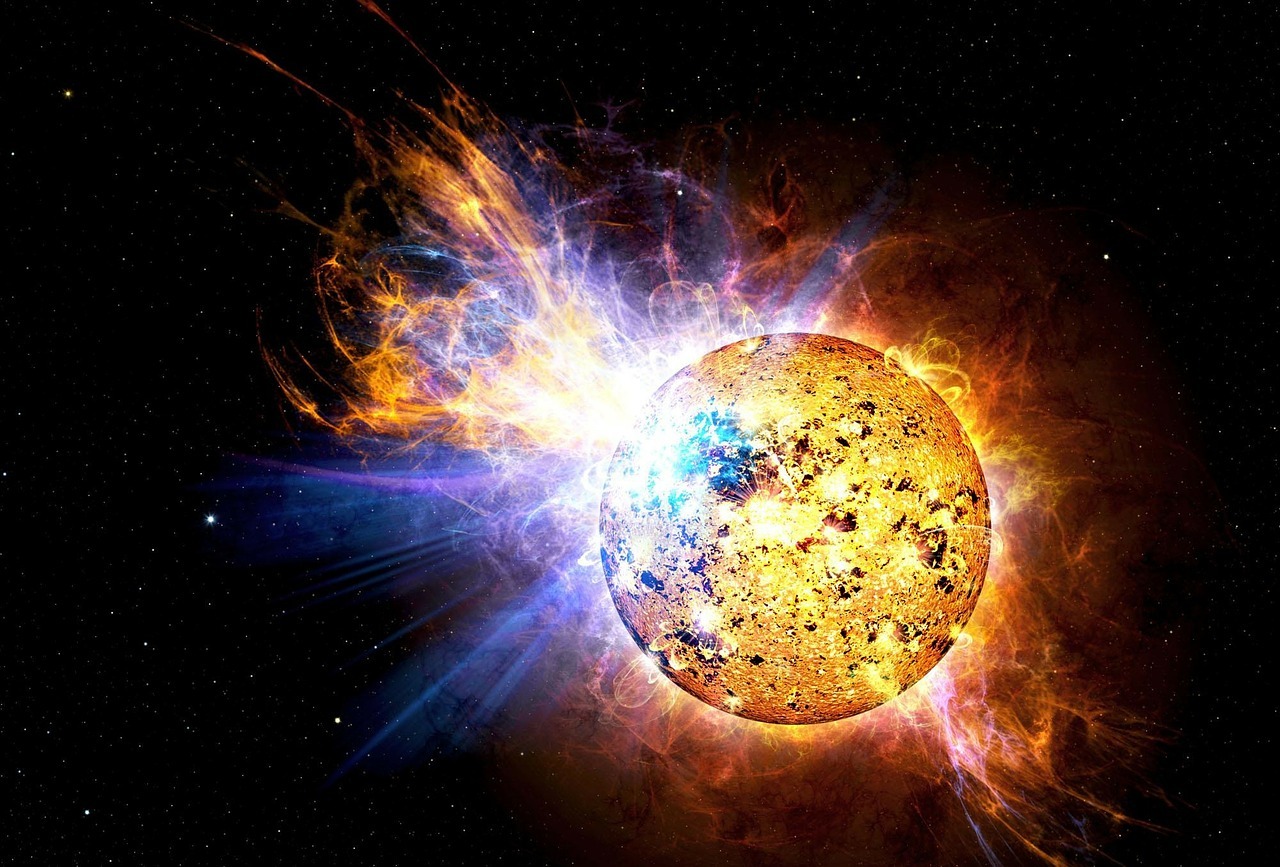
Spúšťačom je silná erupcia na Slnku, typicky triedy M alebo X, ktorá vyšle do priestoru masívnu dávku extrémneho ultrafialového a mäkkého röntgenového žiarenia. S týmto žiarením sa nedeje nič pomalé: keďže svetlo nepotrebuje na cestu od Slnka k Zemi nič iné než čas, daň za túto rýchlosť zaplatíme už o 8 minút, teda takmer okamžite.
Keď táto intenzívna žiara dorazí k Zemi, posvieti si na ionosféru, konkrétne na D vrstvu. Za bežných okolností je D vrstva taká nenápadná služba pri dverách: trochu pohlcuje nízke frekvencie, no väčšinou nechá krátke vlny prejsť ďalej k E a F vrstve, kde prebieha odraz signálu.
Po príchode slnečnej erupcie sa však D vrstva zmení na hyperaktivovaného strážcu, ktorý stiahne mreže a zabuchne všetky prechody. Röntgenové a UV žiarenie dramaticky zvýši ionizáciu D vrstvy, čím z nej urobí extrémne efektívny absorbér KV signálu. Namiesto odrazu späť k Zemi dôjde k tomu, že signál je „zožratý“ hneď v najnižšej časti ionosféry.
Výsledok: totálne stlmenie krátkych vĺn.
Niekedy prepukne ticho, ktoré by sa dalo krájať.
Ako sa Dellingerov efekt prejavuje v praxi?

Rádioamatéri ho poznajú až intímne dobre. Typické sú:
-
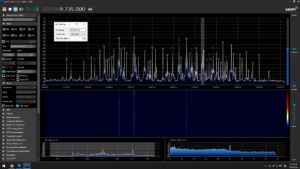
Spektrum KV signálov v SDR# náhle stíchnutie pásiem, bez varovania a často počas pár sekúnd,
-
vymiznutie údajov z ionosond na KV frekvenciách,
-
absolútne zníženie šíriteľných frekvencií, MUF klesá prudko nadol,
-
znefunkčnenie NVIS spojení na nižších pásmach (1.8, 3.5, 7 MHz),
-
letecké a námorné núdzové frekvencie na HF zrazu pôsobia opusteným dojmom.

Geografický rozsah zvyčajne kopíruje osvetlenú polovicu Zeme. Na nočnej strane planéty je ticho ešte stále tichom, ale opačného druhu: tam sa D vrstva nevyskytuje, pretože ju drží pri živote iba slnečné žiarenie.
Ako dlho trvá?
Toto je jedna z najvzrušujúcejších častí fenoménu. Dellingerov efekt trvá zvyčajne od niekoľkých minút po desiatky minút. Väčšina bežných blackoutov sa zmestí do rámca 10 až 40 minút, hoci pri extrémnych slnečných erupciách vyšších tried X môže trvanie prekročiť aj hranicu hodiny.
Dĺžka je priamo úmerná:
-
intenzite erupcie,
-
množstvu röntgenového žiarenia,
-
trvaniu samotného slnečného výboja.
Keď erupcia dohorí, ionizácia vo vrstve D sa začne rozpadávať tak rýchlo, ako vznikla, a komunikácia sa postupne vracia k normálu. A návrat býva veľkolepý: HF pásma sa oživia prudko a často chaoticky, akoby sa všetky signály rozhodli doputovať naraz.
Prečo má tento jav taký zásadný význam?
Dellingerov efekt patrí do rodiny tzv. R-veľkostí (Radio Blackout Classes), ktoré monitoruje NOAA. Je to jeden z tých javov, ktorý neovplyvňuje len amatérske spojenia, ale aj:
-
letecké KV okruhy v polárnych oblastiach,
-
námornú komunikáciu,
-
vojenské a diplomatické siete pracujúce mimo satelitov,
-
časové a navigačné služby prevádzkované na HF.
Pre rádioamatérov je to spoľahlivý indikátor toho, že Slnko má práve hlučné obdobie a že okno na DX môže byť počas nasledujúcich minút oveľa menšie než zvyčajne.
Ako spoznať, že ide o Dellingerov efekt, a nie o iný problém?

Uprostred contestu sa môže stať všeličo, no Dellinger má veľmi jasný podpis:
-
Efekt nastupuje okamžite.
Nie je to postupné zhoršovanie podmienok, ale prudké vypnutie. -
Najviac trpí osvetlená strana Zeme.
Ak je u vás deň, no všetky pásma upadli, je to veľmi podozrivé. -
Klesajú aj vyššie krátkovlnné pásma, nie iba 80 m či 40 m.
-
Po pár desiatkach minút sa situácia zvyčajne obnoví, často rovnako náhle.
-
NOAA hlási zvýšenú aktivitu röntgenového žiarenia, často v triede M alebo X.
Zhrnutie
Dellingerov efekt je rýchly, dramatický a nekompromisný zásah slnečnej energie do nášho krátkovlnného sveta. Vzniká po mocnom záblesku röntgenového a UV žiarenia zo Slnka, ktorý turbo-nabije D vrstvu ionosféry a spôsobí masívnu absorpciu KV signálov. Trvá od niekoľkých minút po hodinu a zasahuje celú osvetlenú hemisféru. Pre rádioamatérov je to jasný dôkaz, že Slnko si občas zahrá svoju vlastnú improvizáciu, ktorá je síce krásna, no pre HF DX neúprosná.