Close Menu
    Wednesday, April 1
    European Hamradio portal
    New topic to the forum Add advertisement
    • LF+HF
    • VHF+SHF
    • Technique
    • Hambasar
      • Add advertisement
      • Hambazar - for sale
      • Hambazar - I will buy
      • Hambazar - I will exchange / donate
    • Contesting
    • Ham information
    • Software
    • Digital fashions
    • DXbulletin
    • QRP
    • Reviews
    • Ham radio
    European Hamradio portal
    Home» Radio amateur frequencies - how to listen?
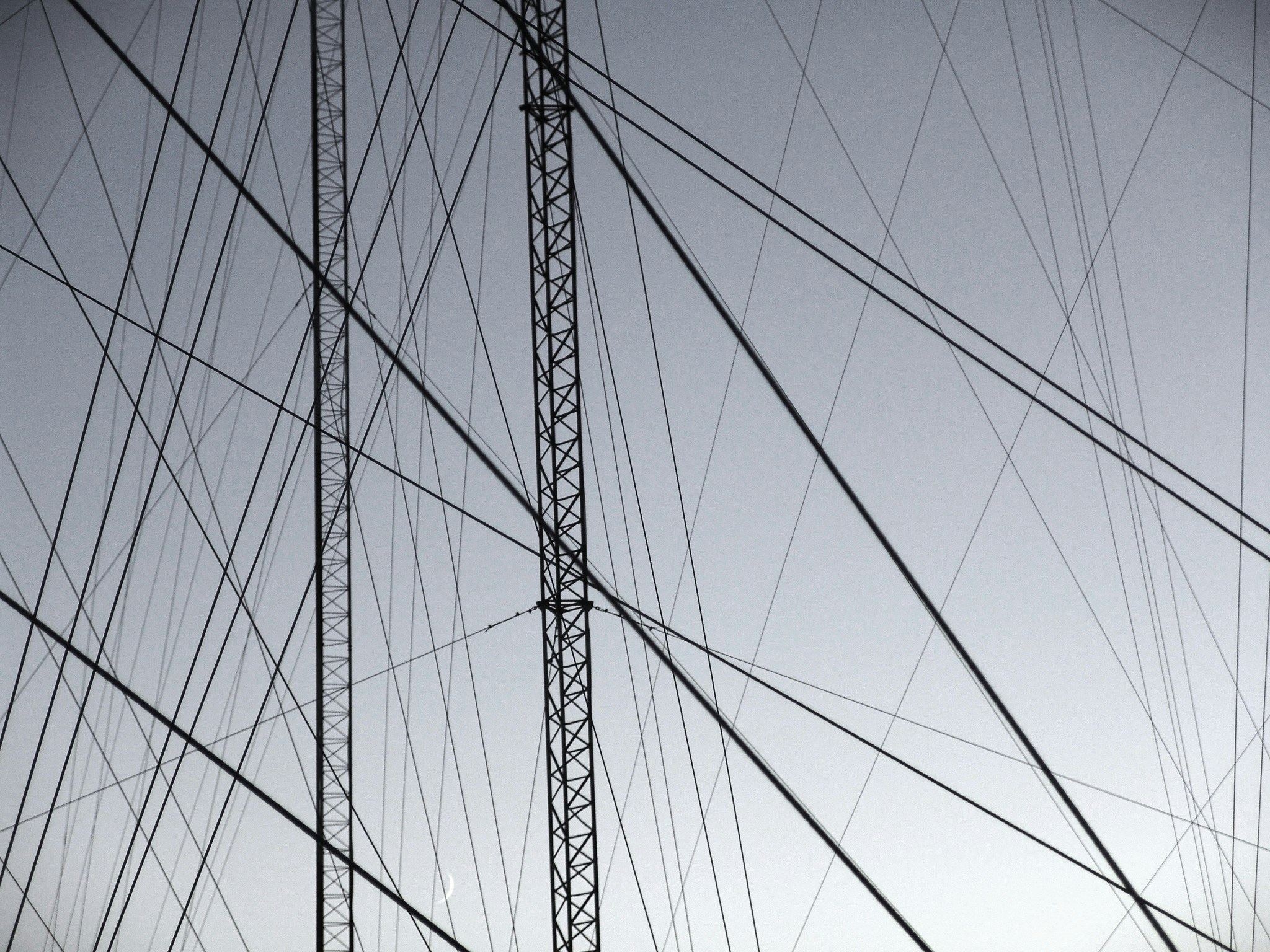
    Anténne stožiare

    Radio amateur frequencies - how to listen?

    Amateur radio frequencies are specific bands in the electromagnetic spectrum that are internationally allocated for non-commercial use by radio amateurs. These frequencies allow enthusiasts to communicate, experiment and develop their technical skills in the field of radio communication. Radio amateur activity is regulated by national telecommunications authorities in accordance with the recommendations of the International Telecommunication Union (ITU).

    You will read in the article

    • Frequency bands and their use
      • Use and regulations
    • KV radio amateur frequencies
    • VHF radio amateur frequencies

    Frequency bands and their use

    Presentation at the Bankov radio amateur meeting
    Presentation at the Bankov radio amateur meeting

    Radio amateurs are assigned frequencies in different parts of the spectrum, from long wave (LF) to millimeter wave (EHF). Each band has its own specifics and is suitable for different types of communication:

    • Low-frequency and medium-frequency bands (LF and MF) (135 kHz - 1.8 MHz)
      These bands are characterized by a long range, especially at night. Known bands include 160 m (1.8–2.0 MHz), used for night communications and experiments.
    • High frequency bands (HF or KV) (3-30 MHz)
      HF bands are popular for international communications because the ionosphere allows the signal to be reflected over long distances. These include, for example, the 80 m (3.5–3.8 MHz), 40 m (7.0–7.2 MHz), 20 m (14.0–14.35 MHz) and 10 m (28.0–29.7 MHz) bands, which offer different propagation conditions.
    • VHF and UHF bands (VHF ) (30 MHz - 3 GHz)
      These bands include 2 m (144–146 MHz) and 70 cm (430–440 MHz), which are popular for local communications and links through repeaters. In the 1.2 GHz band and above, digital transmissions and connections via satellites are implemented.
    • Microwave and millimeter bands (3 GHz and above)
      They are used for experimental links, satellite communications and wave propagation research.

    Use and regulations

    Amateur radio frequencies are used for voice communication (SSB, FM), digital modes (FT8, RTTY, PSK31) and telegraphy (CW). Licensed radio amateurs must comply with regulations on power limits and permitted bands, with frequencies being strictly regulated.

    Rádioamatérske frekvencie zohrávajú dôležitú úlohu v núdzovej komunikácii, vedeckom výskume a technologických inováciách.

    KV radio amateur frequencies

    Spectrum of KV signals in SDR#
    Spectrum of KV signals in SDR#

    Shortwave (HF) radio amateur frequencies offer the possibility to listen to connections from all over the world thanks to signal reflections from the ionosphere. To receive these frequencies, you need a shortwave receiver with a range from 1.8 to 30 MHz and a suitable antenna, for example a wire dipole or active loop antenna.

    The best times to listen depend on the diurnal cycle – lower bands are more active at night (160m, 80m, 40m), higher bands during the day (20m, 15m, 10m). Also interesting are digital modes such as FT8 or RTTY, which can be decoded using software such as WSJT-X.

    For better reception, it is recommended to listen outside of urban noise and use filter circuits. Frequencies and propagation conditions change, so it's a good idea to keep an eye on propagation reports.

    KV radio amateur frequencies 160m and 80m
    KV radio amateur frequencies 160m and 80m
    KV radio amateur frequencies 80m, 60m and 40m
    KV radio amateur frequencies 80m, 60m and 40m
    KV radio amateur frequencies 40m, 30m, 20m and 17m
    KV radio amateur frequencies 40m, 30m, 20m and 17m
    KV radio amateur frequencies 17m, 15m, and 12m
    KV radio amateur frequencies 17m, 15m, and 12m
    KV radio amateur frequencies 12m and 10m
    KV radio amateur frequencies 12m and 10m
    KV radio amateur frequencies 10m
    KV radio amateur frequencies 10m

    VHF radio amateur frequencies

    VKV yagi antény
    VHF yagi antennas

    High-frequency (VHF) amateur radio bands offer a wide range of options for both listeners and radio amateurs. The most used bands include 2 m (144–146 MHz) and 70 cm (430–440 MHz), which are used for local communications, repeater links and satellite operations.

    You can use a scanner to receive VHF signals, SDR receiver (Software Defined Radio) or a common radio amateur transceiver. The best reception is achieved with an external antenna, for example a vertical or yagi antenna.

    For listening, it is advisable to know the frequencies of local repeaters, which allow a better signal even at long distances. You can find information about active frequencies in radio amateur databases or on the website of local radio amateur clubs.

    Watching VHF bands is a great way to get familiar with ham radio operation and learn more about radio wave propagation.

    KV radio amateur frequencies 10m
    KV radio amateur frequencies 10m
    VHF radio amateur frequency 6m
    VHF radio amateur frequency 6m
    VHF radio amateur frequencies 6m and 4m
    VHF radio amateur frequencies 6m and 4m
    VHF radio amateur frequencies 4m and 2m
    VHF radio amateur frequencies 4m and 2m
    VHF radio amateur frequency 2m
    VHF radio amateur frequency 2m
    VHF radio amateur frequency 70cm
    VHF radio amateur frequency 70cm
    VHF radio amateur frequency 70cm
    VHF radio amateur frequency 70cm
    VHF radio amateur frequencies 23cm
    VHF radio amateur frequencies 23cm
    VHF radio amateur frequencies 23cm and 13cm
    VHF radio amateur frequencies 23cm and 13cm
    RSS DX expeditions
    • Minami Torishima: Feb 26-May 15, 2026 -- JD1 -- QSL via: JA8CJY
    • Benin: Mar 6-Apr 2, 2026 -- TY5FR -- QSL via: LoTW
    • Sint Maarten: Mar 8-Apr 4, 2026 -- PJ7AA -- QSL via: Club Log OQRS
    • Bahamas: Mar 9-Apr 12, 2026 -- C6APS -- QSL via: LoTW
    • Guadeloupe: Mar 14-Apr 3, 2026 -- FG -- QSL via: LoTW
    • Vanuatu: Mar 15-Apr 3, 2026 -- YJ1JXZ -- QSL via: LoTW
    • Vanuatu: Mar 18-Apr 2, 2026 -- YJ0CA -- QSL via: See Info
    • Bangladesh: Mar 20-Apr 1, 2026 -- S21WD -- QSL via: LoTW
    • St Kitts and Nevis: Mar 22-Apr 1, 2026 -- V4 -- QSL via: LoTW
    • St Kitts and Nevis: Mar 23-Apr 18, 2026 -- V4 -- QSL via: LoTW
    Hambasar
    There are no ads matching your search criteria.
    Add advertisement
    Hamradio discussion

    Short KV waves
    Include posts related to KV bands here (up to 10m)

    Very short VHF waves
    Include posts related to VHF bands here (from 6m and above)

    Technique
    Questions, answers and ideas about constructions, connections, equipment modifications

    Other
    This includes contributions that cannot be included elsewhere...

    Advertising
    I sell - buy - exchange - donate radio equipment and electronics

    NEW TOPIC

    A selection of articles
    • Use of toroids from switching sourcesUse of toroids from switching sources
      In categories: LF+HF, Technique antenna, antenna tuner, receiver, TCVR
      We received the following article from Mira OM3CKU for publication. MNI TNX!: I managed to get some retired (non-functional) resources from … ...read more
    • OM3CKQ, SKOM3CKQ, SK
      In categories: Ham information
      We regret to announce that on June 29, 2007, our radio amateur friend Jozef Křížek, OM3CKQ from Prakoviec, VO RK, left us suddenly and forever... ...read more
    • List of KV/VKV races - April 2005List of KV/VKV races - April 2005
      In categories: Contesting, LF+HF, VHF+SHF contest, CW, Holic cup, OM Activity contest, SSB, SSB liga
      We bring you the most interesting KV and VKV races in April 2005. In this month, everyone will probably have their own way - ... ...read more
    KV conditions
    Antennas OK5IM
    OK5IM banner
    Partners
    Svetelektro.com
    SATTECH TV, SAT and measuring technology
    SPACEBED® car mattresses
    CQ.sk podporuje Moon contest
    MOON contest
    Radio amateur portal CQ.sk
    • LF+HF
    • VHF+SHF
    • Technique
    • Hambasar
    • Contesting
    • Ham information
    • Software
    • Digital fashions
    • DXbulletin
    • QRP
    • Reviews
    • Radio amateur frequencies - how to listen?
    • Hamradio - how to get started with radio amateurs
    • Radio amateur portals and pages of national radio amateur organizations
    • Manufacturers and sellers of amateur radio technology
    • Cookie Policy (EU)
    RSS Contesty
    • QRP Fox Hunt
      0200Z-0330Z, Apr 1
    • Phone Weekly Test
      0230Z-0300Z, Apr 1
    • A1Club AWT
      1145Z-1300Z, Apr 1
    • CWops Test (CWT)
      1300Z-1400Z, Apr 1
    • VHF-UHF FT8 Activity contest
      1700Z-2100Z, Apr 1
    • Mini-Test 40
      1700Z-1759Z, Apr 1
    • Mini-Test 80
      1800Z-1859Z, Apr 1
    • CWops Test (CWT)
      1900Z-2000Z, Apr 1
    • UKEICC 80m contest
      2000Z-2100Z, Apr 1
    • VHF-UHF FT8 Activity contest-NA
      0000Z-0500Z, Apr 2
    Brands
    6 m 160m antenna antenna tuner callbook CB contest CQ WPX contest CQ WW contest CW diploma DK7ZB DX Elecraft EME FT8 Icom IOTA IOTA contest Kenwood final stage sq meteor scatter N1MM OM9OT OM Activity contest preamplifier receiver QO-100 QRP QSL remote station RTTY satellite SDR SSB SSB liga subregional SWL TCVR VHF WSJT Yaesu yagi amplifier
    CQ.sk subdomains
    • OM3KWZ RK
    • OM5GT Robert
    • OM6AS Martin
    • OM7PY Ervín
    • OM9AUI Marek
    • OM5JA Tone
    • OK1TNM Rudo
    • OK2JKD Dalibor
    • OTC SARA – OM9OT
    • OM7KW, ex OM7AAS
    • Contestový tím OM0A
    • PMR11 Safe in the mountains

    Enter the text above and press Enter for searching. Press Esc for cancellation.