
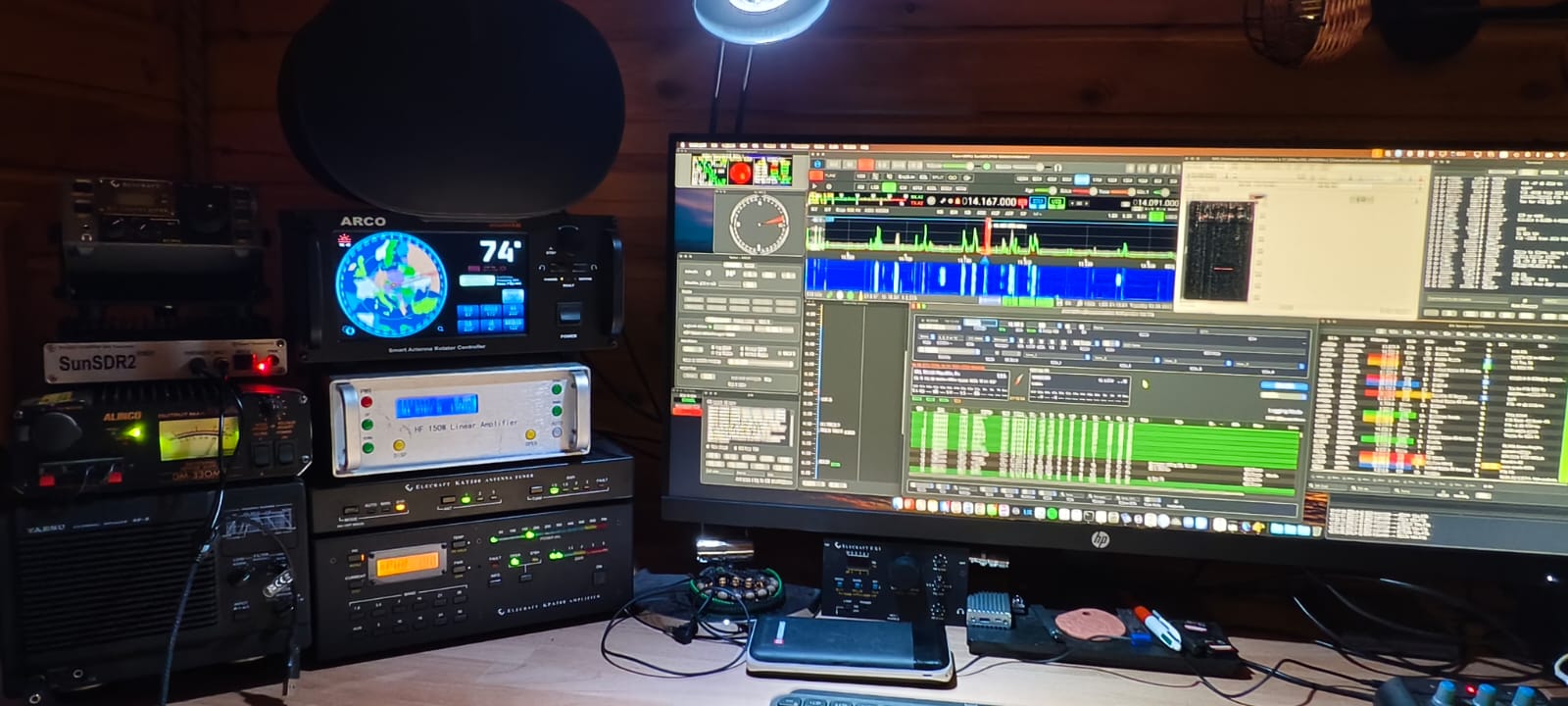
Nadchádzajúci CQ World Wide 160-Meter Contest v kategórii SSB, ktorý odštartuje v piatok 27. februára 2026 o 22:00 UTC a potrvá do 1. marca 22:00 UTC, ponúka operátorom príležitosť otestovať svoje anténne systémy a operátorské zručnosti v náročných podmienkach nízkych frekvencií. Hlavným cieľom tejto 48-hodinovej súťaže je nadviazať čo najviac spojení s rádioamatérmi v štátoch USA, kanadských provinciách a krajinách celého sveta.
Prevádzka v ITU Regióne 1 je vymedzená v rozsahu 1810–2000 kHz. Pravidlá kladú veľký dôraz na športové správanie, pričom apelujú na ohľaduplnosť voči iným používateľom pásma, najmä v digitálnych segmentoch ako FT8. Súťažiaci si môžu vybrať z kategórií jednotlivcov (Single Operator) s rôznymi výkonovými úrovňami vrátane QRP (do 5 W) a Low Power (do 100 W), alebo kategóriu viacčlenných tímov (Multi-Operator). Dôležitým obmedzením je maximálny prevádzkový čas: jednotlivci môžu vysielať maximálne 30 hodín, zatiaľ čo pre tímy platí limit 40 hodín. Každá prestávka musí trvať minimálne 30 minút.
Vymieňaný kód pozostáva z reportu RS a označenia štátu USA, provincie Kanady alebo CQ zóny. Bodovanie výrazne zvýhodňuje medzikontinentálne spojenia, ktoré majú hodnotu až 10 bodov. Mimoriadnu pozornosť treba venovať zasielaniu súťažných denníkov v formáte Cabrillo. Termín na ich odoslanie je stanovený na striktných 5 dní po skončení pretekov, čo pre SSB časť pripadá na 6. marca 2026.
V článku sa dočítate
I. CIEĽ:
Umožniť rádioamatérom na celom svete nadviazať spojenia s inými rádioamatérmi v čo najväčšom počte štátov USA, kanadských provincií a krajín, s využitím pásma 160 metrov.

II. POUŽÍVANIE PÁSMA:
1810–2000 kHz v ITU regióne 1.
1800–2000 kHz v ITU regiónoch 2 a 3.
Všetci účastníci sú vyzývaní, aby sa rozmiestnili čo najviac v rámci pásma, pri dodržiavaní frekvenčných obmedzení a výkonových limitov platných pre ich krajinu. Akékoľvek porušenie pravidiel ITU pre používanie pásma môže viesť k diskvalifikácii.
Buďte si vedomí a ohľaduplní voči ostatným používateľom dátových módov, ako je FT8, v súťažných segmentoch pásma.
III. KATEGÓRIE:
Pre kategóriu Single Operator Assisted:
Použitie jedného a len jedného diaľkového prijímača umiestneného do 100 km od hlavného vysielacieho stanovišťa je povolené, okrem prijímača na mieste vysielača. WebSDR sú povolené, ale musia byť umiestnené v rámci limitu 100 km. Toto pravidlo je navrhnuté tak, aby zohľadňovalo nové technológie a pomohlo tým, ktorí majú na vysielacom stanovišti vysokú úroveň rušenia. Každý, kto bude pristihnutý pri používaní diaľkového prijímača mimo povoleného limitu, bude diskvalifikovaný.
Pre všetky kategórie:
Hlavné stanovište je definované tak, že všetky vysielače, prijímače a antény musia byť umiestnené na tom istom súvislom pozemku. Ak pozemok nie je súvislý, všetko vybavenie musí byť v okruhu 1500 metrov. Všetky antény musia byť pripojené káblami k hlavnej stanici. Toto pravidlo platí pre všetkých účastníkov.
Každá stanica môže používať iba jednu CQ running frekvenciu. „Prepínanie“ medzi dvoma frekvenciami v tom istom čase (a tým obsadzovanie dvoch frekvencií) je nesportové správanie a povedie k diskvalifikácii.
Používanie akýchkoľvek tzv. „chatovacích miestností“ prostredníctvom internetu alebo podobných prostriedkov na komunikáciu medzi stanicami alebo operátormi počas súťaže je prísne zakázané. Nesmieme dohadovať ani potvrdzovať QSO iným spôsobom než prostredníctvom pásma 160 m a rovnakým druhom prevádzky, aký sa používa v súťaži. Takéto použitie môže viesť k diskvalifikácii podľa uváženia komisie. Používanie self-spottingu nie je povolené v žiadnej kategórii.
Diaľková prevádzka pre UNASSISTED kategórie je povolená za týchto podmienok:
-
Používanie akéhokoľvek prijímača umiestneného mimo hlavného stanovišťa je prísne zakázané.
-
Používanie samostatného prijímača na mieste diaľkového operátora je prísne zakázané.
-
Akýkoľvek prijímač, ktorý nie je fyzicky umiestnený na hlavnom vysielacom stanovišti, je zakázaný. To zahŕňa aj prijímače pripojené cez internet alebo RF, ktoré nie sú na hlavnom TX mieste.
-
Ak je diaľkovo ovládaná stanica umiestnená v inej DXCC entite, musí dodržiavať všetky miestne predpisy danej krajiny.
Prevádzkový čas:
Každá súťaž trvá 48 hodín a začína o 2200Z.
Stanice Single Operator môžu pracovať maximálne 30 z 48 hodín.
Multi-Operator stanice môžu pracovať 40 hodín.
Prestávky musia mať minimálnu dĺžku 30 minút vo všetkých kategóriách.

(A) Single Operator:
Jedna osoba vykonáva všetku prevádzku, logovanie a spotovanie. Maximálny prevádzkový čas je 30 hodín. Pomoc pri vyhľadávaní QSO NIE JE povolená* (pozri definíciu nižšie). V jednom okamihu je povolený len jeden vysielaný signál. Maximálny výkon je 1500 W celkového výstupu.
(B) Single Operator / Low Power:
Rovnaké ako (A), s výnimkou, že výstupný výkon nesmie prekročiť 100 W. Stanice v tejto kategórii súťažia iba medzi sebou.
(C) QRP:
Rovnaké ako (A), s výnimkou, že výstupný výkon nesmie prekročiť 5 W. Stanice v tejto kategórii súťažia iba medzi sebou.
Poznámka: Všetky QRP stanice môžu používať pomoc pri vyhľadávaní QSO.
(D) Single Operator Assisted / High Power:
Rovnaké ako (A) s týmito výnimkami: Používanie pomoci pri vyhľadávaní QSO JE povolené. Používanie jedného diaľkového prijímača v okruhu 100 km od vysielača je povolené.
(E) Single Operator Assisted / Low Power:
Rovnaké ako (D), s výnimkou, že výstupný výkon nesmie prekročiť 100 W.
(F) Multi-Operator:
IBA HIGH POWER. Všetky pravidlá platia rovnako ako pre Single Op Assisted (okrem toho, že diaľkové prijímače NIE SÚ povolené); na prevádzke sa však podieľa viac než jeden operátor. Maximálny prevádzkový čas je 40 hodín. V jednom okamihu je povolený len jeden vysielaný signál. Maximálny výkon je 1500 W alebo maximálny povolený výkon podľa predpisov krajiny, podľa toho, ktorá hodnota je nižšia.
*POMOC PRI VYHĽADÁVANÍ QSO:
Používanie akejkoľvek technológie alebo iného zdroja, ktorý poskytuje operátorovi identifikáciu volacej značky alebo násobiča. Zahŕňa to, okrem iného, používanie CW dekodéra, DX clusterov, DX spotting webov (napr. DX Summit), lokálnej alebo vzdialenej technológie dekódovania volacích značiek a frekvencií (napr. CW skimmer alebo Reverse Beacon Network) alebo prevádzkové dohody s inými osobami.

IV. VÝMENA:
RS(T) a štát pre USA, provincia pre Kanadu a CQ zóna pre DX.
Poznámka: Zóny slúžia iba ako identifikácia polohy a nepočítajú sa ako násobiče.
V. NÁSOBIČ:
Štáty USA: 48 súvislých štátov; District of Columbia (DC) (1)
Kanadské provincie: (14) VO1, VO2, NB, NS, PEI (VY2), VE2, VE3, VE4, VE5, VE6, VE7, VE8 (NT), VY1 (YT), VY0 (NU).
Poznámka: VO1 a VO2 sú oddelené z historických dôvodov.
DXCC krajiny vrátane WAE krajín:
(nasleduje zoznam – preklad názvov sa nemení, ide o oficiálne značky)
1AØ, 3A, 4O, 4U1I, 4U1V, 9A, 9H, C3, CT, CU, DL, E7, EA, EA6, EI, ER, ES, EU, F, G, GD, GI, GJ, GM, GM/s, GU, GW, HA, HB, HBØ, HV, I, IS, IT (bez IG9/IH9 zóny 33 – tie sú v Afrike), JW, JW/b, JX, LA, LX, LY, LZ, OE, OH, OHØ, OJØ, OK, OM, ON, OY, OZ, PA, R1F, RA, RA2, S5, SM, SP, SV, SV/A, SV5, SV9, T7, TA1, TF, TK, UR, YL, YO, YU, Z6, Z3, ZA, ZB.
VI. BODY:
Spojenia so stanicami vo vlastnej krajine: 2 body
Spojenia s inými krajinami na tom istom kontinente: 5 bodov
Spojenia s inými kontinentmi: 10 bodov
Spojenia s námornými mobilnými stanicami majú hodnotu 5 bodov. Námorné mobilné spojenia nemajú násobič.
VII. VÝSLEDNÉ SKÓRE:
Pre všetky stanice – konečné skóre je súčin celkového počtu bodov za QSO a súčtu všetkých násobičov (štáty, VE provincie, DX krajiny).

VIII. OCENENIA:
Certifikáty budú udelené všetkým účastníkom. Sú dostupné na stiahnutie tu:
https://cq160.com/scores.htm
Trofeje budú udelené najlepším výsledkom v mnohých kategóriách. Zoznam trofejí a darcov je dostupný tu:
https://cq160.com/plaques.htm
Ak máte záujem sponzorovať plaketu, kontaktujte nás na:
questions@CQ160.com
IX. KLUBOVÁ SÚŤAŽ:
Každý klub, ktorý odošle aspoň tri denníky, sa môže zúčastniť klubovej súťaže. Názov klubu musí byť jasne uvedený v časti club competition na súhrnnom liste alebo v súhrnnej časti Cabrillo denníka. Uistite sa, že všetci účastníci z vášho klubu používajú rovnaký názov klubu (s rovnakým pravopisom). Väčšinu názvov klubov nájdete tu:
https://cq160.com/clubnames.htm
Skóre klubu je súčet výsledkov zo všetkých denníkov jeho členov.
A. Kluby USA:
Účasť je obmedzená na členov bývajúcich v okruhu 250 míľ od stredu oblasti klubu.
B. DX kluby:
Účasť je obmedzená na členov bývajúcich buď v DXCC krajine, kde sa klub nachádza, alebo v okruhu 400 km od stredu klubu.
C. Všeobecné klubové pravidlá:
-
Národné organizácie (napr. JARL, REF alebo DARC) nie sú oprávnené zúčastniť sa klubovej súťaže.
-
Single-operator záznamy môžu prispieť len jednému klubu.
-
Multi-operator skóre môžu byť rozdelené medzi viac klubov podľa percentuálneho zastúpenia členov klubu na prevádzke. V denníku musí byť uvedený úplný názov klubu (a rozdelenie pri multi-op).
-
Na zaradenie klubu do výsledkov musia byť prijaté minimálne tri denníky. Checklogy sa do klubového skóre nezapočítavajú.
-
Slovo „bývať“ je definované ako trvalé alebo nepretržité bývanie, resp. používanie miesta ako hlavného, trvalého a právneho bydliska.

X. POKYNY K DENNÍKOM:
Uzávierka odoslania denníkov je 5 dní po skončení súťaže.
Pre CW: 30. januára 2026 o 2200Z
Pre SSB: 6. marca 2026 o 2200Z
Odoslanie denníkov vo formáte Cabrillo je povinné. Denníky CQ WW 160 m Contest posielajte prostredníctvom webového nástroja:
https://cq160.com/logcheck/
A.
Denník MUSÍ obsahovať pre každé spojenie: správny dátum a čas v UTC, volaciu značku protistanice, odoslanú výmenu a prijatú výmenu. Denník bez všetkých požadovaných údajov môže byť prekvalifikovaný na checklog. Spojenia majú byť zapisované okamžite po ich uskutočnení. Stanice súťažiace o svetové, zónové, kontinentálne a USA ocenenia musia uviesť presné frekvencie všetkých spojení.
B.
Pokyny pre elektronické denníky mimo formátu Cabrillo: Ak nemôžete odoslať denník vo formáte CABRILLO, kontaktujte riaditeľa súťaže.
C.
Potvrdenie prijatia: Všetky prijaté denníky budú potvrdené e-mailom. Zoznam prijatých denníkov je dostupný na www.cq160.com.
D.
Stiahnutie denníka: Účastník môže stiahnuť odoslaný denník z akéhokoľvek dôvodu do 30 dní od uzávierky. Kontaktujte riaditeľa súťaže pre pokyny.

XI. PENALIZÁCIE A DISKVALIFIKÁCIA:
Denníky budú vzájomne kontrolované a podľa uváženia komisie budú uplatnené penalizácie za chybné alebo nesprávne QSO. Chybné QSO sa odstráni a navyše sa odpočítajú body zodpovedajúce dvom ďalším QSO. Za jedinečné QSO sa penalizácia neuplatňuje, pokiaľ nie sú považované za nadmerné. Denník môže byť diskvalifikovaný za porušenie rádioamatérskych predpisov, nešportové správanie alebo uvádzanie nadmerného počtu neoverených spojení.
Výstupné súbory s výpočtom konečného skóre budú po zverejnení výsledkov dostupné všetkým účastníkom. Rozhodnutia komisie CQ WW 160 Contest sú konečné.
XII. VYHLÁSENIE:
Odoslaním denníka do CQ 160 Meter Contestu a s prihliadnutím na úsilie komisie CQ WW 160 Contest o jeho kontrolu a vyhodnotenie účastník bezpodmienečne a neodvolateľne súhlasí, že:
-
si prečítal a porozumel pravidlám súťaže a súhlasí s ich dodržiavaním,
-
pracoval v súlade so všetkými pravidlami a predpismi rádioamatérskej služby platnými pre miesto stanice,
-
súhlasí so zverejnením svojho denníka,
-
akceptuje, že diskvalifikácie a iné rozhodnutia komisie sú oficiálne a konečné.
Ak účastník nie je ochotný alebo schopný súhlasiť so všetkými uvedenými bodmi, nemal by denník odoslať, prípadne ho má odoslať len ako Checklog.