
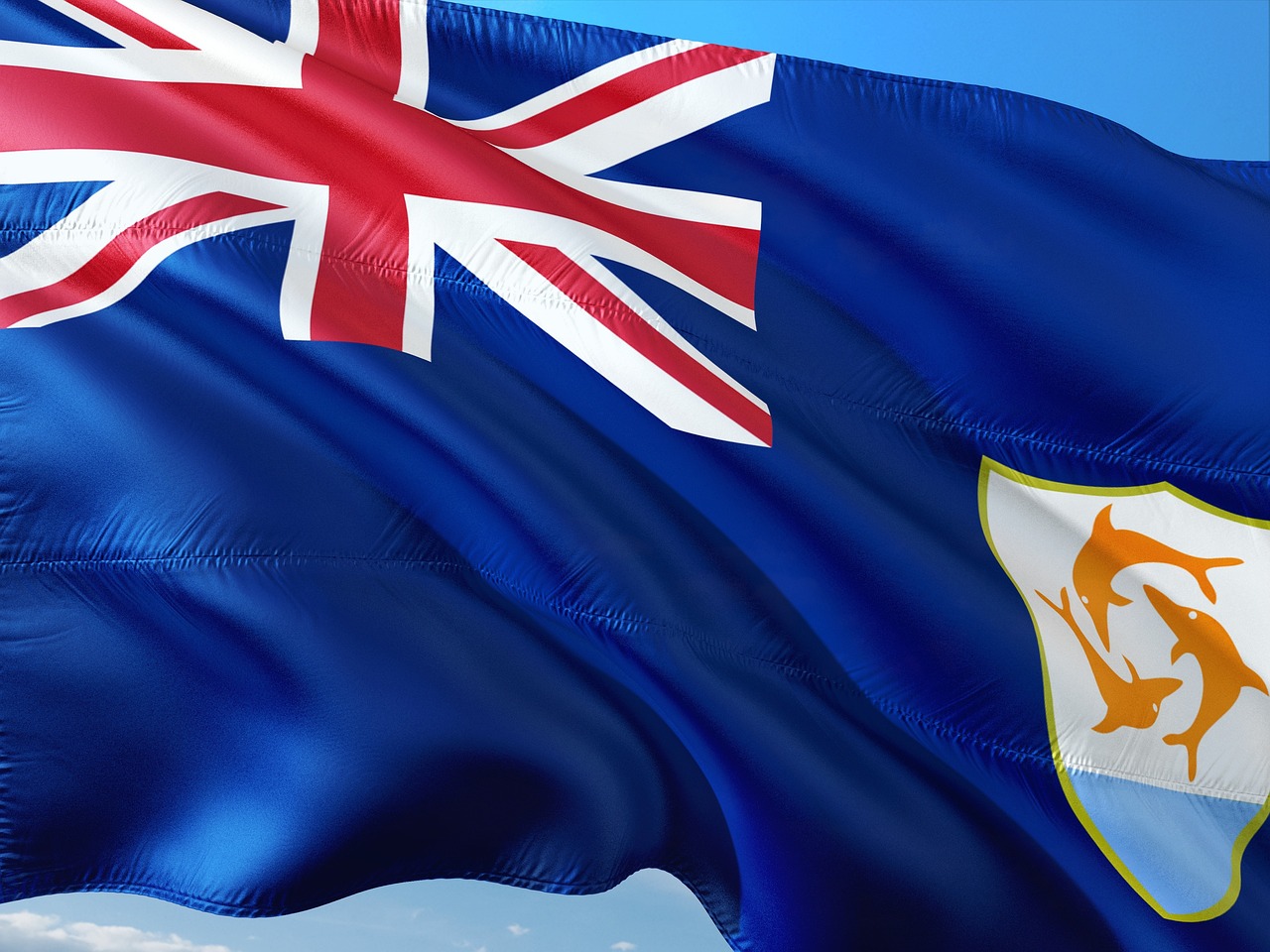
Karibik je pre rádioamatérov odjakživa synonymom exotiky, silných signálov nad oceánom a neutíchajúcich pile-upov. Už o pár hodín sa táto oblasť stane stredobodom pozornosti svetového éteru vďaka poľskej výprave. Od 3. do 20. marca 2026 sa z ostrova Anguilla ozvú tri volacie značky: VP2EAD, VP2ELX a VP2EWE.
Táto expedícia nie je len o nadväzovaní spojení; je to demonštrácia technickej zdatnosti a vytrvalosti poľskej rádioamatérskej školy. Poďme sa pozrieť na detaily výpravy pod značkami VP2EAD, VP2ELX a VP2EWE.
Anguilla: DXCC entita s nezameniteľnou príchuťou
Anguilla (VP2E) je britské zámorské územie v Malých Antilách. Pre rádioamatérov ide o vyhľadávanú entitu, ktorá sa síce nenachádza na vrchole rebríčka najžiadanejších krajín (Most Wanted List), no jej poloha je kľúčová pre šírenie signálu smerom do Európy, Severnej Ameriky a najmä smerom na Ďaleký východ, čo je aj hlavným cieľom tejto skupiny.
Tím operátorov

Zloženie tímu je vyváženou kombináciou dlhoročných skúseností z náročných DX expedícií a moderného prístupu k digitálnym módom.
-
VP2EWE (Janusz, SP9FIH): Janusz je meno, ktoré netreba v DX svete predstavovať. Má za sebou desiatky úspešných aktivácií z celého sveta. Jeho skúsenosti s logistikou a budovaním staníc v improvizovaných podmienkach sú pre úspech výpravy kľúčové.
-
VP2ELX (Mariusz, SP7DPJ / M0PLX): Mariusz prináša medzinárodný rozmer a technickú precíznosť. Je známy svojou schopnosťou pracovať efektívne v náročných pile-upoch.
-
VP2EAD (Adrian, SQ2RAD): Adrian je motorom modernej prevádzky. Hoci sa tím primárne zameriava na SSB a FT8, kolegovia vtipne poznamenávajú, že dúfajú v Adrianovu „zhovievavosť“, ak by prišlo na CW alebo RTTY, kde je on ako doma. Ako osemnásťročný je najmladší člen DX expedície.
Technické vybavenie: Výkon a anténna výzva
Operovať z Karibiku znie ako sen, no realita na mieste býva často komplikovaná. Tím si so sebou berie niekoľko transceivrov a výkonových zosilňovačov s výkonom približne 300 – 400 W. Tento výkon je ideálnym kompromisom medzi dostatočnou silou signálu na prerazenie pile-upu a energetickými možnosťami miesta pobytu.
Malé QTH ako taktický rébus
Jednou z najväčších výziev tejto expedície je samotná lokalita vysielacieho stanovišťa (QTH). Operátori avizovali, že priestor je pomerne malý na to, aby sa v ňom pohodlne rozvinuli tri nezávislé pracoviská.
-
Anténny manažment: Tím berie so sebou širokú škálu antén, no ich finálna zostava a rozmiestnenie sa určí až priamo na mieste. Cieľom je minimalizovať vzájomné rušenie staníc, ktoré budú operovať súčasne na rôznych pásmach.
-
Interferencia: Pri troch staniciach na malom priestore bude kľúčové použitie kvalitných pásmových priepustí (Band Pass Filters), aby sa zabránilo preťaženiu vstupných obvodov prijímačov.
Prevádzková stratégia: Smer Ďaleký východ
Hoci bude Anguilla „hlučná“ na všetkých pásmach, operátori majú jasne stanovené priority.
1. Focus na Ďaleký východ (Japonsko, Čína, Kórea)
Šírenie signálu z Karibiku do Japonska (JA) a okolitých krajín je často oknom, ktoré sa otvára len na krátky čas. Tím VP2E bude tieto okná aktívne sledovať a prispôsobovať im svoje operačné časy. Pre stanice z Japonska pôjde o vzácnu príležitosť na získanie multi-band spojení.
2. Austrália a Európa
Európa (vrátane Slovenska a Česka) bude mať vďaka geografickej polohe veľmi dobré šance na spojenie, najmä v podvečerných a nočných hodinách. Austrália (VK) a Nový Zéland (ZL) sú pre Karibik takmer „protinožci“, čo znamená, že spojenia s nimi budú vyžadovať trpezlivosť a sledovanie Greyline šírenia.
3. Módy: Od SSB po FT8
-
FT8 a FT4: Vzhľadom na aktuálnu fázu slnečného cyklu a popularitu digitálnych módov bude FT8 dominantným módom pre lovcov slabých signálov.
-
SSB: Milovníci klasickej fonickej prevádzky sa nemusia báť – pile-upy na SSB budú neoddeliteľnou súčasťou každej aktívnej špičky.
-
CW a RTTY: Hoci sú v pláne ako doplnkové, Adrian (SQ2RAD) sa postará o to, aby neprišli skrátka ani vyznávači telegrafie.
Logistika a potvrdzovanie spojení (QSL)
Pre každého lovca DXCC je spojenie cenné až vtedy, keď má v ruke QSL lístok alebo potvrdenie v elektronickom denníku. Poľský tím nastavil férovú a prehľadnú politiku:
-
OQRS (Online QSL Request System): Toto je preferovaná cesta. Cez OQRS si budete môcť požiadať o lístok priamo domov alebo cez rádioamatérske byro https://vp2.dxpeditions.org/online-logs/
-
PZK QSL Bureau: direkkt QSL budú rozosielané cez QSL službu PZK
-
LoTW: Nahrávanie do systému Logbook of the World je v roku 2026 už štandardom, ktorý expedícia plne podporuje.
Záver: Pripravte si antény!
Poľská expedícia na Anguillu je dôkazom, že rádioamatérstvo je stále o objavovaní a prekonávaní vzdialeností. Či už ste skúsený rádioamatér s plnou výbavou, alebo začiatočník s Low Power stanicou, značky VP2EAD, VP2ELX a VP2EWE budú v marci vašou veľkou výzvou.
Sledujte webové stránky výpravy pre aktuálne informácie z chatu a fotografie priamo z miesta činu. Šírenie v marci býva nevyspytateľné, ale práve to robí DXing takým fascinujúcim.
Veľa šťastia v pile-upe, priatelia! 73!