
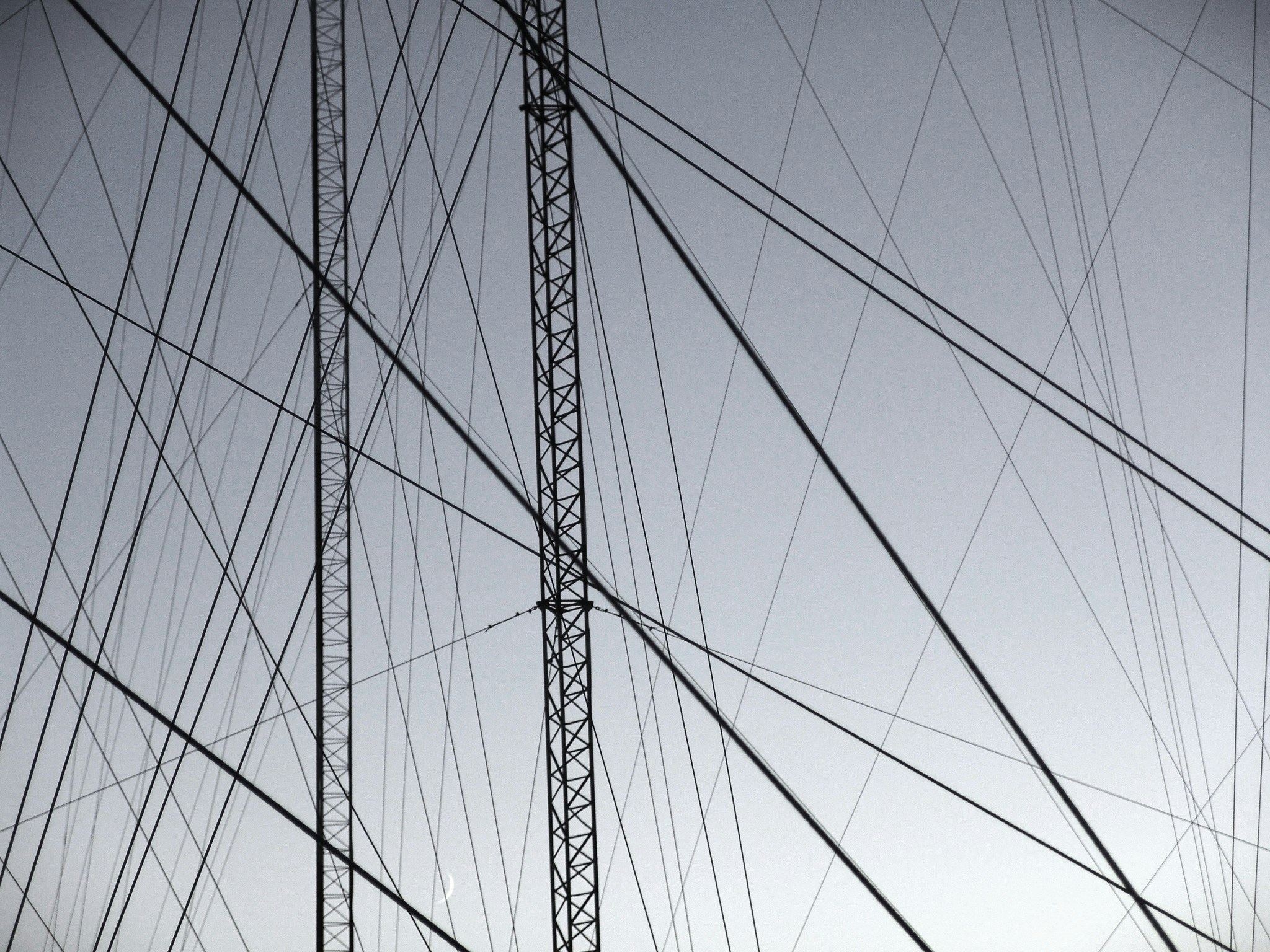
In the age of satellite constellations and optical networks, traditional radio may seem like a relic of the past. However, events of recent years clearly show that the amateur radio service remains the only truly independent communication infrastructure in cases of major disasters. Reports from the monitoring network AR Newsline regularly bring testimonies of amateur radio operators who deploy technology and even their own lives where modern technology has failed.
Emergency communication
The concept of emergency communication (EmComm) is rooted in the very essence of amateur radio licenses. The state grants amateur radio operators access to the frequency spectrum with the assumption that in times of crisis, they will provide their knowledge and techniques for the benefit of the public. Practical examples, such as hurricanes in the Caribbean, widespread floods in Central Europe, or earthquakes in Asia, demonstrate the vulnerability of mobile networks. These depend on land stations, optical paths, and central power supply. Once one of these parts fails, the system collapses. An amateur radio operator witha car battery station and a wire antenna in the treetop, however, remains connected to the world.
AR Newsline recently reported on the importance of the ARES (Amateur Radio Emergency Service) network in the United States, but similar structures operate globally, including in Slovakia under the auspices of ARES at the Slovak Radio Association. Moderná pomoc v núdzi už nie je len o posielaní krátkych textových správ v morzeovke. Dnešní rádioamatéri využívajú pokročilé technológie ako Winlink, ktorý umožňuje posielať e-maily s prílohami cez rádiové vlny bez pripojenia k internetu. Táto schopnosť je neoceniteľná pre logistiku záchranných zložiek a prenos zoznamov liekov or evakuovaných osôb.

Technical readiness is only half of the success. The other, equally important part, is methodology and training. Amateur radio operators regularly participate in exercises where they simulate a total blackout. These activities teach operators discipline on the air, working with radio networks (net control), and concise, clear information transmission. In crisis situations, there is no room for long conversations; every second of broadcasting must be used effectively.
In addition to shortwave operations, the following also play a key role VHF repeaters, which are often equipped with backup batteries and solar charging. They provide local coverage within cities and regions. Digital networks such as DMR or D-Star, although they are partially dependent on the internet, have implemented modes for local operation that allow coordination of teams in the field.

Amateur radio operators as volunteers bring another unique feature: the ability to improvise. In the field, where spare parts are not available, an experienced amateur can repair an antenna or adjust the power supply so that the station remains operational. This technical skill is more valuable in critical moments than any certified but non-functional system. Therefore, support for amateur radio activities from states and local governments is not a relic, but a strategic investment in the safety of the population. When the next unexpected crisis comes, amateur radio operators will be ready to reaffirm their motto: 'When all else fails, we step in.'