
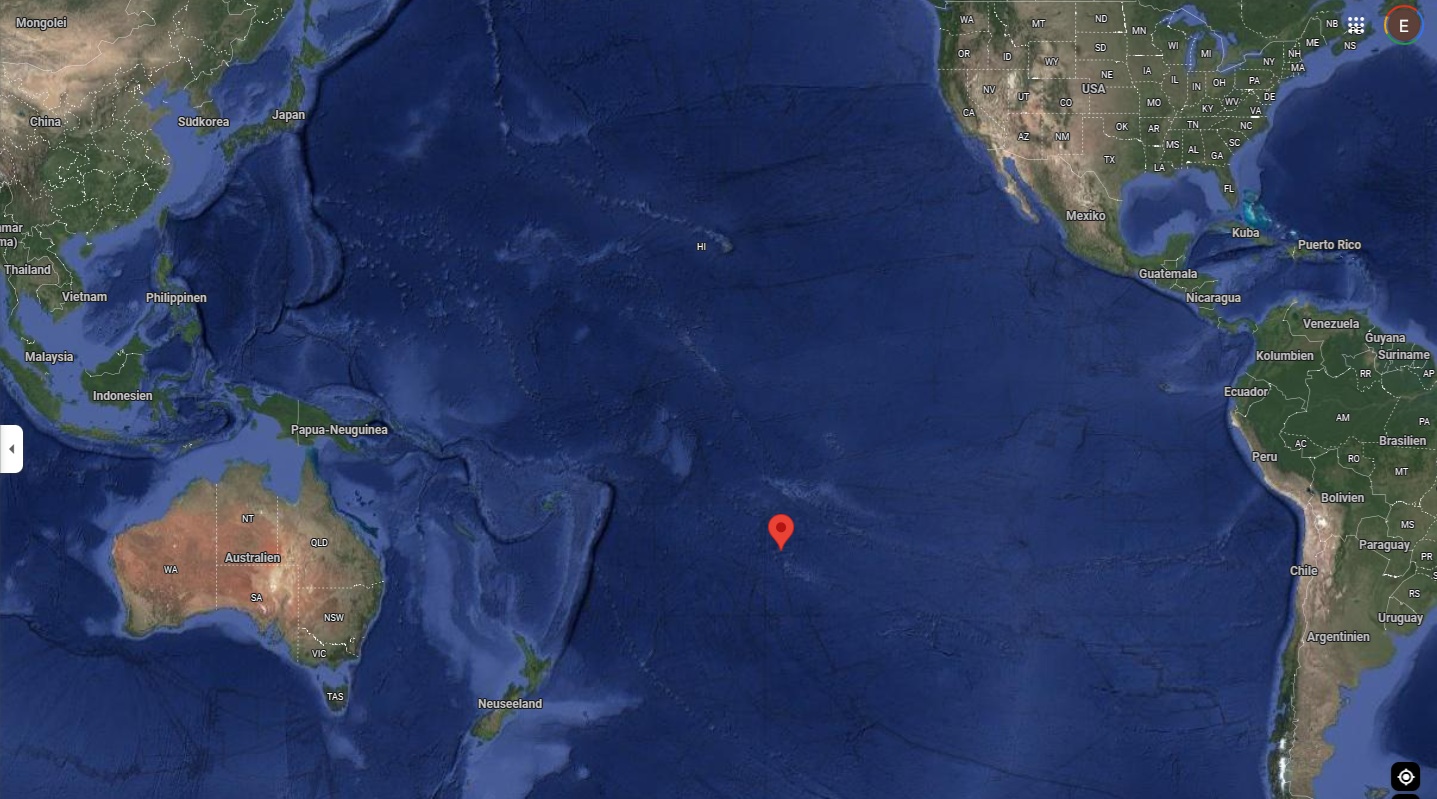
V marci roku 2026 sa pozornosť svetovej rádioamatérskej komunity upriami na malú bodku v nekonečnom Tichom oceáne. Skupina skúsených európskych operátorov pripravuje pod volacím znakom TX5EU expedíciu na ostrov Raivavae (IOTA OC-114). Táto lokalita, patriaca pod entitu Austral Islands (Austrálske ostrovy), predstavuje pre mnohých lovcov DX spojení jeden z najžiadanejších cieľov v denníku.
Cesta na Raivavae nie je len logistickou výzvou, ale aj technologickým testom v extrémnych podmienkach. Tento článok prináša hĺbkový pohľad na prípravu, tím, techniku a ciele tejto významnej DX expedície, pričom čerpá z oficiálnych informácií tímu dostupných na portáli tx5eu-2026.topdx.de.
V článku sa dočítate
Raivavae – „Bora Bora“ bez turistov
Súostrovie Austral Islands sa nachádza približne 600 kilometrov južne od Tahiti. Raivavae, často prezývaný „Bora Bora juhu“, je vyhasnutá sopka obklopená tyrkysovou lagúnou a prstencom koralových ostrovčekov (motu). S populáciou približne 900 obyvateľov a minimálnym turistickým ruchom ide o jedno z najizolovanejších miest planéty.
Pre rádioamatéra však krása ostrova ustupuje do úzadia pred jeho polohou. Austral Islands sú samostatnou DXCC entitou. Hoci politicky patria pod Francúzsku Polynéziu, v rádioamatérskom zozname krajín majú vlastné postavenie. Kvôli ich vzdialenosti a obmedzenému spojeniu so svetom je aktivita z tejto oblasti zriedkavá, čo robí z každej expedície „pile-up magnet“.
Tím TX5EU: Skúsenosti na prvom mieste

Úspech DX expedície stojí a padá na ľuďoch. Tím TX5EU tvoria rádioamatérski veteráni, ktorí majú za sebou desiatky úspešných aktivácií z exotických miest ako Kanton Island (T31EU), Swains Island (W8S) či Irán (EP6T).
-
Günter, DL2AWG (Leader): Mozog operácie a skúsený operátor v módoch SSB a Digi. Günter je známy precíznym plánovaním a schopnosťou udržať tímovú morálku aj po dvoch týždňoch v tropickej horúčave.
-
Gerben, PG5M: Majster antén a špecialista na CW. Gerbenove skúsenosti s konštrukciou antén priamo na pláži sú kľúčové pre dosiahnutie maximálneho zisku signálu smerom do Európy a Ameriky.
-
Ronald, PA3EWP: Expert na PR a komunikáciu. Ronald má na starosti logistiku a kontakt s verejnosťou, pričom je sám vynikajúcim operátorom v rôznych módoch.
-
Ernö, DK2AMM: Pilier tímu pre CW a digitálne módy. Jeho schopnosť „vyťahovať“ slabé signály z hlbokého šumu je legendárna.
-
Rainer, DL2AMD: Operátor zameraný na SSB a digitálnu prevádzku, ktorý dopĺňa dynamiku tímu pri 24-hodinových smenách.
-
Evert, PA2KW: Všestranný operátor, ktorý zabezpečuje plynulý chod hardvéru a technickú podporu v teréne.
Technické vybavenie: Sila na pláži
Logistika v Pacifiku neumožňuje prevoz ton materiálu, preto tím zvolil vysoko efektívnu zostavu, ktorá kombinuje výkon s mobilitou.
Rádiostanice a koncové stupne
Tím bude operovať s tromi plnohodnotnými stanicami bežiacimi súčasne. Základom sú transceivre Elecraft K3S, ktoré sú v komunite DX-erov považované za zlatý štandard vďaka svojim vynikajúcim filtrom a odolnosti voči krížovej modulácii (čo je nevyhnutné pri práci viacerých staníc v tesnej blízkosti).
Aby sa signál z Raivavae nestratil v šume na opačnej strane zemegule, každý setup je vybavený koncovým stupňom Expert SPE 1.3K-FA. Tieto tranzistorové zosilňovače poskytujú výkon vyše 1 kW, čo je pri nepriaznivých podmienkach šírenia v južnom Pacifiku kritické.
Anténna farma: Výhoda slanej vody
Najväčším tromfom TX5EU sú antény umiestnené priamo na pobreží. Slaná voda pôsobí ako vynikajúca protiváha, čo dramaticky zlepšuje vyžarovací uhol vertikálnych antén.
-
VDA (Vertical Dipole Arrays): Hlavným nástrojom pre pásma 10m až 30m budú smerové vertikálne dipólové polia. Tieto antény, navrhnuté špeciálne pre plážové operácie, kombinujú smerovosť so ziskom, ktorý vertikály na pevnine bežne nedosahujú.
-
Vertikály pre spodné pásma: Na 40m a 80m budú použité klasické vertikály.
-
DX-Commander: Flexibilný systém pre rýchle nasadenie a pokrytie viacerých pásiem (10-40m).
-
Absencia 160m: Tím sa rozhodol z dôvodu obmedzeného priestoru na pláži a logistických limitov neprevádzkovať stanicu na 160 metroch. Hlavný dôraz bude kladený na horné pásma, kde sa očakáva najlepšie šírenie.
Prevádzková stratégia: Reagovanie na slnečný cyklus
Rok 2026 bude obdobím, kedy by mal 25. slnečný cyklus stále ponúkať vynikajúce podmienky na horných pásmach (10m, 12m, 15m). Operátori TX5EU plánujú byť aktívni 24 hodín denne, pričom budú striedať módy podľa aktuálneho otvárania pásiem.
FT8 a digitálna revolúcia
Moderné DX expedície sa nezaobídu bez módu FT8. Tím bude využívať protokol MSHV (Multi-Stream) a Fox-and-Hound, čo umožňuje odbaviť až päť volajúcich staníc naraz v rámci jedného časového slotu. Toto je kľúčové pre uspokojenie obrovského dopytu rádioamatérov s menšími výkonmi a jednoduchými anténami.
CW a SSB – Srdce rádioamatérstva
Napriek rastúcej popularite FT8 zostáva klasické telegrafné spojenie (CW) a fonická prevádzka (SSB) pevnou súčasťou expedície. Skúsení operátori ako Gerben a Ernö sa postarajú o to, aby si na svoje prišli aj priaznivci tradičného „hamspiritu“. Pri CW pile-upoch sa očakáva frekvencia vyše 150 spojení za hodinu.
Výzvy a logistika
Dostať sa na Raivavae je dobrodružstvom samo o sebe. Cesta začína letom do Papeete na Tahiti, odkiaľ pokračuje lokálnym turbovrtuľovým lietadlom Air Tahiti na ostrov. Kvôli prísnym váhovým limitom batožiny musel tím každý gram techniky starostlivo odvážiť.
Okrem techniky si tím nesie aj vlastné záložné zdroje energie, káble a spotrebný materiál. V tropickom prostredí je nepriateľom číslo jeden vlhkosť a soľ, ktoré môžu v priebehu pár dní vyradiť aj tú najlepšiu techniku. Preto je údržba staníc a antén každodennou rutinou.
QSL a potvrdenie spojenia
Pre každého DX-era je dôležité mať spojenie potvrdené v denníku. Tím TX5EU využíva moderné metódy spracovania dát:
-
ClubLog OQRS: Preferovaná metóda pre objednanie papierového lístka alebo nahranie do systému LoTW (Logbook of the World).
-
Manažér DL2AWG: Günter osobne dohliada na proces potvrdzovania, aby sa k žiadateľom lístky dostali v čo najkratšom čase.
Prečo sledovať TX5EU?
Projekt TX5EU nie je len o číslach v denníku. Je to ukážka európskej rádioamatérskej spolupráce a vášne pre vedu a komunikáciu. V čase, keď je digitálna komunikácia bežnou súčasťou života, rádioamatéri prostredníctvom takýchto expedícií dokazujú, že dokážu prepojiť najvzdialenejšie kúty sveta pomocou vlastných síl a vedomostí o fyzike a šírení vĺn.
Pre slovenské a české stanice bude spojenie s TX5EU výzvou najmä z pohľadu tzv. „long path“ (dlhej cesty) a krátkych okien, kedy sa signál z Pacifiku dostáva nad horizont strednej Európy. Najväčšie šance sa predpokladajú na pásmach 20m a 17m v ranných a večerných hodinách, a pri dobrej slnečnej aktivite aj na 15m a 10m počas dňa.
Ostrovy Austral
Ostrovy Austral sú najjužnejšou skupinou Francúzskej Polynézie v južnej časti Tichého oceánu. Ležia južne od známejších Spoločenských ostrovov a tvoria ich najmä ostrovy Tubuai, Rurutu, Rimatara, Raivavae a odľahlý atól Maria. Ide o pomerne izolovaný región s menším počtom obyvateľov, ktorý si dodnes zachoval tradičný polynézsky charakter.
Podnebie je subtropické, o niečo chladnejšie než na Tahiti, s výraznejšími sezónnymi rozdielmi. Úrodná sopečná pôda umožňuje pestovanie taro, kávy, ovocia a zeleniny. Obyvatelia sa venujú aj rybolovu a remeslám, najmä výrobe tradičných klobúkov a tkaných výrobkov z listov pandánu.
Ostrovy Austral sú známe bohatou kultúrou, spevom a tancom, ako aj špecifickými kamennými stavbami marae, ktoré slúžili na náboženské obrady. Príroda ponúka dramatické útesy, jaskyne a lagúny s krištáľovo čistou vodou. Vďaka menšiemu turistickému ruchu pôsobí tento súostrovný región pokojne a autenticky, čo láka cestovateľov hľadajúcich menej objavené časti Polynézie.
Záver
Expedícia TX5EU na ostrov Raivavae v marci 2026 sľubuje, že bude jedným z vrcholov rádioamatérskeho roka. S tímom zloženým z elity európskeho DX-ingu a technickým vybavením pripraveným na náročné podmienky je úspech takmer zaručený. Ak máte doma pripravenú stanicu, neváhajte si v marci naladiť pásma – Raivavae vás bude volať.
Všetky aktuálne informácie o frekvenciách a presnom harmonograme nájdete na oficiálnom webe https://tx5eu-2026.topdx.de.