
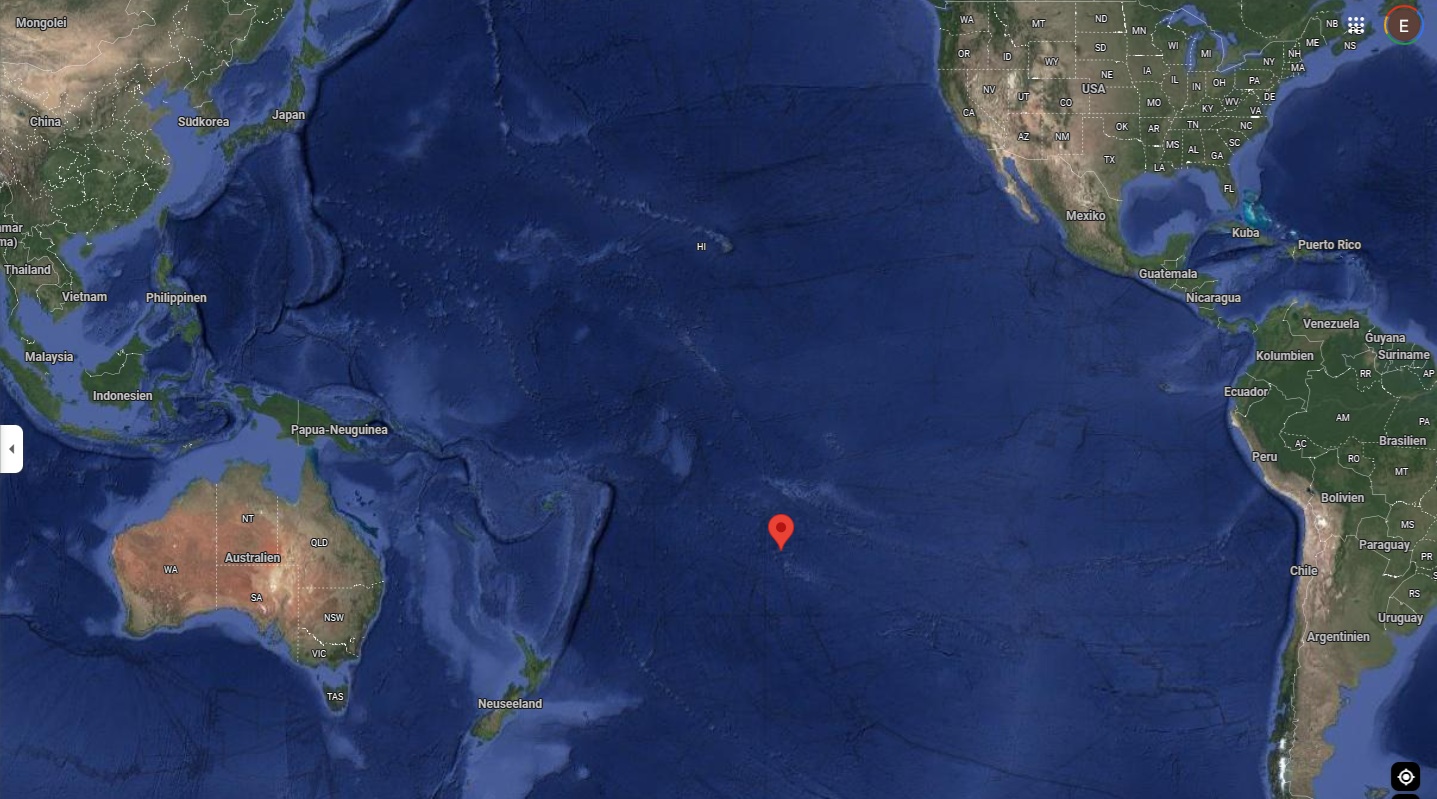
In March 2026, the attention of the global amateur radio community will focus on a small dot in the endless Pacific Ocean. A group of experienced European operators is preparing under the call sign TX5EU expedíciu na ostrov Raivavae (IOTA OC-114). Táto lokalita, patriaca pod entitu Austral Islands (Australian Islands), represents one of the most sought-after targets in the log for many DX hunters.
Cesta na Raivavae nie je len logistickou výzvou, ale aj technologickým testom v extrémnych podmienkach. Tento článok prináša hĺbkový pohľad na prípravu, tím, techniku a ciele tejto významnej DX expeditions, pričom čerpá z oficiálnych informácií tímu dostupných na portáli tx5eu-2026.topdx.de.
In the article you will read
Raivavae - 'Bora Bora' without tourists
The Austral Islands are located approximately 600 kilometers south of Tahiti. Raivavae, often nicknamed 'Bora Bora of the South', is an extinct volcano surrounded by a turquoise lagoon and a ring of coral islets (motu). With a population of about 900 inhabitants and minimal tourist traffic, it is one of the most isolated places on the planet.
Pre rádioamatéra však krása ostrova ustupuje do úzadia pred jeho polohou. Austral Islands sú samostatnou DXCC entity. Although politically they belong to French Polynesia, they have their own status in the amateur radio country list. Due to their distance and limited connection to the world, activity from this area is rare, making each expedition a 'pile-up magnet'.
Team TX5EU: Experience First

The success of the DX expedition depends on the people. Team TX5EU consists of amateur radio veterans who have dozens of successful activations from exotic locations such as Kanton Island (T31EU), Swains Island (W8S), and Iran (EP6T).
-
Günter, DL2AWG (Leader): The brain of the operation and an experienced operator in SSB and Digi modes. Günter is known for precise planning and the ability to maintain team morale even after two weeks in tropical heat.
-
Gerben, PG5M: Master of antennas and a CW specialist. Gerben's experience in constructing antennas directly on the beach is crucial for achieving maximum signal gain towards Europe and America.
-
Ronald, PA3EWP: Expert na PR a komunikáciu. Ronald má na starosti logistiku a kontakt s verejnosťou, pričom je sám vynikajúcim operátorom v rôznych módoch.
-
Ernö, DK2AMM: A pillar of the team for CW and digital modes. His ability to 'pull' weak signals from deep noise is legendary.
-
Rainer, DL2AMD: An operator focused on SSB and digital operations, who complements the team's dynamics during 24-hour shifts.
-
Evert, PA2KW: Versatile operator who ensures smooth hardware operation and technical support in the field.
Technical Equipment: Strength on the Beach
Logistics in the Pacific does not allow for the transport of tons of material, so the team chose a highly efficient setup that combines power with mobility.
Radio Stations and End Stages
Tím bude operovať s tromi plnohodnotnými stanicami bežiacimi súčasne. Základom sú transceivre Elecraft K3S, which are considered the gold standard in the DX community due to their excellent filters and resistance to cross-modulation (which is essential when operating multiple stations in close proximity).
Aby sa signál z Raivavae nestratil v šume na opačnej strane zemegule, každý setup je vybavený koncovým stupňom Expert SPE 1.3K-FA. These transistor amplifiers provide over 1 kW of power, which is critical under adverse propagation conditions in the South Pacific.
Antenna Farm: Advantage of Salt Water
Najväčším tromfom TX5EU sú antény umiestnené priamo na pobreží. Slaná voda pôsobí ako vynikajúca Protiváha, čo dramaticky zlepšuje vyžarovací uhol vertikálnych antén.
-
VDA (Vertical Dipole Arrays): The main tool for bands 10m to 30m will be directional vertical dipole arrays. These antennas, designed specifically for beach operations, combine directionality with gains that verticals on land typically do not achieve.
-
Vertikály pre spodné pásma: Classic verticals will be used on 40m and 80m.
-
DX-Commander: A flexible system for rapid deployment and coverage of multiple bands (10-40m).
-
Absence 160m: Tím sa rozhodol z dôvodu obmedzeného priestoru na pláži a logistických limitov neprevádzkovať stanicu na 160 metroch. Hlavný dôraz bude kladený na horné pásma, kde sa očakáva najlepšie šírenie.
Operating Strategy: Responding to the Solar Cycle
The year 2026 will be a period when the 25th solar cycle should still offer excellent conditions on the upper bands (10m, 12m, 15m). TX5EU operators plan to be active 24 hours a day, alternating modes according to the current band openings.
FT8 and the digital revolution
Moderné DX expedície sa nezaobídu bez módu FT8. Tím bude využívať protokol MSHV (Multi-Stream) a Fox-and-Hound, which allows handling up to five calling stations at once within a single time slot. This is key to meeting the enormous demand of amateur radio operators with lower powers and simple antennas.
CW and SSB - Heart of Amateur Radio
Despite the growing popularity of FT8, classic telegraph connections (CW) and phone operations (SSB) remain a firm part of the expedition. Experienced operators like Gerben and Ernö will ensure that fans of traditional 'ham spirit' also get their share. During CW pile-ups, a frequency of over 150 connections per hour is expected.
Výzvy a logistika
Getting to Raivavae is an adventure in itself. The journey begins with a flight to Papeete in Tahiti, from where it continues with a local turboprop plane Air Tahiti to the island. Due to strict baggage weight limits, the team had to weigh every gram of equipment carefully.
In addition to the equipment, the team also carries its own backup power sources, cables, and consumables. In the tropical environment, humidity and salt are the number one enemies that can disable even the best equipment in a matter of days. Therefore, maintaining stations and antennas is a daily routine.
QSL and confirmation of the connection
For every DXer, it is important to have the connection confirmed in the log. The TX5EU team uses modern data processing methods:
-
ClubLog OQRS: Preferred method for ordering a paper QSL or uploading to the system LoTW (logbook of the World).
-
Manažér DL2AWG: Günter personally oversees the confirmation process to ensure that tickets reach applicants as quickly as possible.
Why follow TX5EU?
The TX5EU project is not just about numbers in the log. It is an example of European amateur radio cooperation and a passion for science and communication. At a time when digital communication is a common part of life, amateur radio operators through such expeditions demonstrate that they can connect the most remote corners of the world using their own skills and knowledge of physics and wave propagation.
For Slovak and Czech stations, connecting with TX5EU will be a challenge, especially in terms of the so-called 'long path' and short windows when the signal from the Pacific reaches above the horizon of Central Europe. The greatest chances are expected on the 20m and 17m bands in the morning and evening hours, and with good solar activity also on 15m and 10m during the day.
Austral Islands
The Austral Islands are the southernmost group of French Polynesia in the southern part of the Pacific Ocean. They lie south of the more well-known Society Islands and mainly consist of the islands of Tubuai, Rurutu, Rimatara, Raivavae, and the remote atoll of Maria. It is a relatively isolated region with a smaller population that has retained its traditional Polynesian character to this day.
The climate is subtropical, somewhat cooler than in Tahiti, with more pronounced seasonal differences. The fertile volcanic soil allows for the cultivation of taro, coffee, fruits, and vegetables. The inhabitants also engage in fishing and crafts, especially the production of traditional hats and woven products from pandanus leaves.
The Austral Islands are known for their rich culture, song, and dance, as well as specific stone structures called marae, which served religious ceremonies. Nature offers dramatic cliffs, caves, and lagoons with crystal-clear water. Due to the lower tourist traffic, this archipelago region feels peaceful and authentic, attracting travelers seeking less discovered parts of Polynesia.
Conclusion
The TX5EU expedition to Raivavae Island in March 2026 promises to be one of the highlights of the amateur radio year. With a team made up of the elite of European DXing and technical equipment ready for challenging conditions, success is almost guaranteed. If you have a station ready at home, don't hesitate to tune in to the bands in March – Raivavae will be calling you.
All current information on frequencies and the exact schedule can be found on the official website. https://tx5eu-2026.topdx.de.