
I read with interest the article in the latest Rádiožurnál by Ing. Anton Mráza OM3LU: Connecting a "multimedia" PC headset to the TCVR. With interest because just on the connection of such a set to mine TCVR-u finišujem… Prvýkrát som náhlavnú súpravu k TCVR-u použil už pred štyrmi rokmi. Nesúhlasím so zdôrazňovaním výšok v modulácii. Často Vás zavolá protistanica preto, že máte výbornú moduláciu, super audio.
You will read in the article
Electret microphones
The electret microphones used in these headsets are characterized by a very balanced frequency response and a high output voltage compared to other types of microphones. This is a great advantage if we want to replace the usual dynamic microphones with it. We can adjust the resulting frequency characteristic with passive RC elements.
Microphone selection with PC
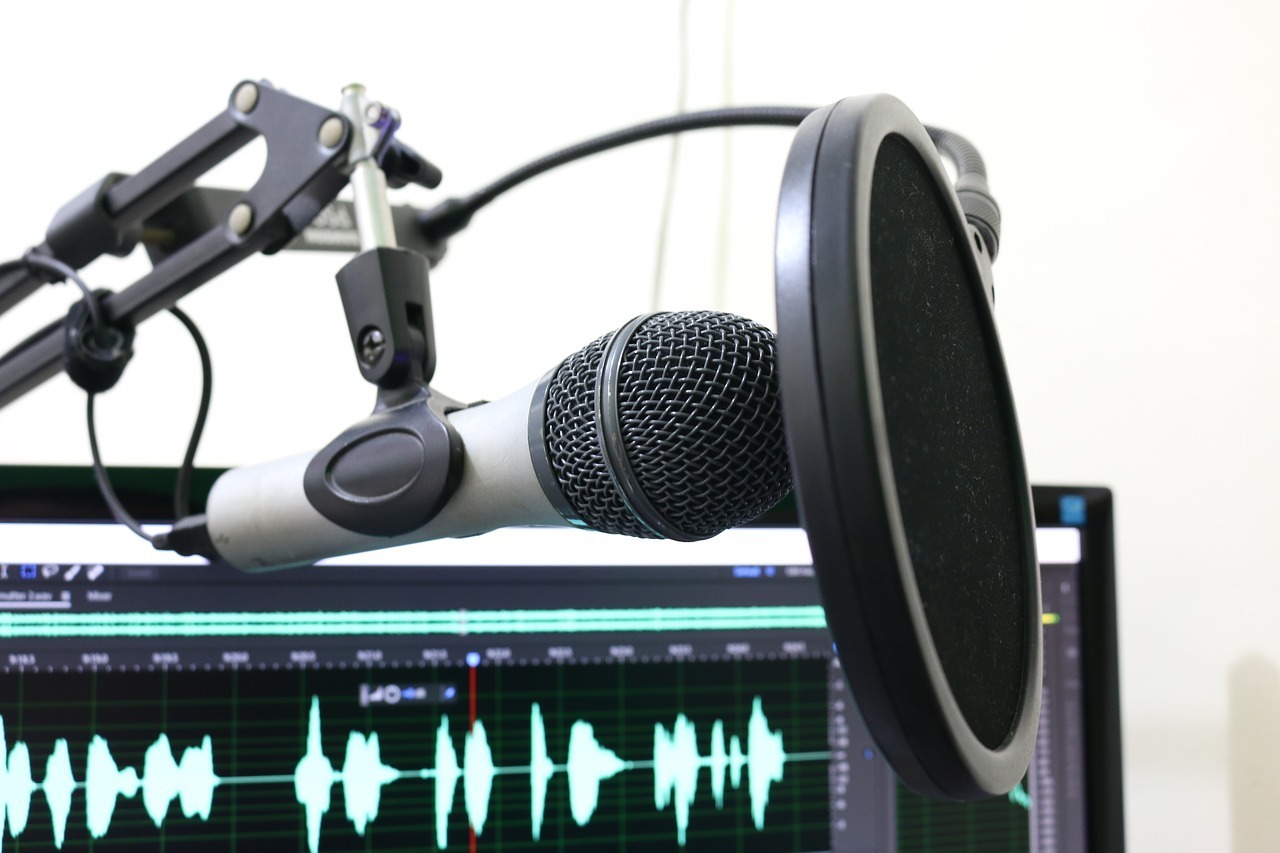
A computer is a very good helper when choosing a microphone. We will prepare different microphones and talk a short text with each of them. Záznamy potom zosúladíme na rovnaké vybudenie, napríklad programom Peak Limiter. A počúvame. Najhoršie mikrofóny spoznáme ihneď. S tými lepšími budeme pokračovať…
We talk to them several times about the challenge in different styles - quietly, shouting, with the microphone close to the mouth, far from the mouth... And we listen. You have to focus on whether the microphone at high acoustic pressure neskresľuje a neobjavuje sa v modulácii dýchanie, fučanie a podobne. Pripravte sa na dlhé popoludnie…. Ja som hľadal ten najlepší mikrofón asi päť hodín.
Equalizer settings
Now you have to play with the modulation of the best. We play that recording over and over with different equalizer settings (bass and treble). We are looking for a setting that will give the best audio. You will probably come to the conclusion that the lowest frequencies (below 150 Hz) should be suppressed, as they impair the readability of the signal. But only the lowest ones. Emphasize the bass-middle interface (200-1200 Hz) and suppress the treble. Try it out. Even commercially sold desk microphones or headsets do not emphasize highs. Their frequency characteristic is rather bass….
Napríklad, ak používate NF filter pre príjem (napr.DSP), it is preferable to narrow the band by suppressing higher frequencies than low ones. A filter with an upper limit of 1600 Hz is unpleasant, but it still sounds better than a filter with suppression of depths below 400 Hz.
The subjectivity of the setting
Nastavenie a „pripasovanie“ mikrofónu ku TCVR-u je veľmi subjektívna záležitosť. It is convenient if we can connect the microphone to the TCVR via a PC and use the equalizer to adjust the characteristics. We connect the NF output from the RX (or the second TCVR) to the second PC and try to fine-tune the sound on this RX with the equalizer so that it sounds like the one we achieved on the PC. This is necessary because each TCVR has an effect on the resulting frequency response.
Implementation in the form of RC members
The result will be a certain equalizer setting. Now we need to design a circuit from RC elements so that its frequency characteristic is as close as possible to the characteristic of the equalizer. A program for analyzing electrical circuits, for example, can be a good helper in this design. PC-ECAP. The impedance of electret microphones is in the hundreds of ohms, you can find out the impedance of the TCVR from the manual. The resulting circuit then just needs to be implemented and used.
About the headset as well as related details (foot switch – whore, roger beep) I'm still preparing an article, I promise to publish it as soon as possible.