
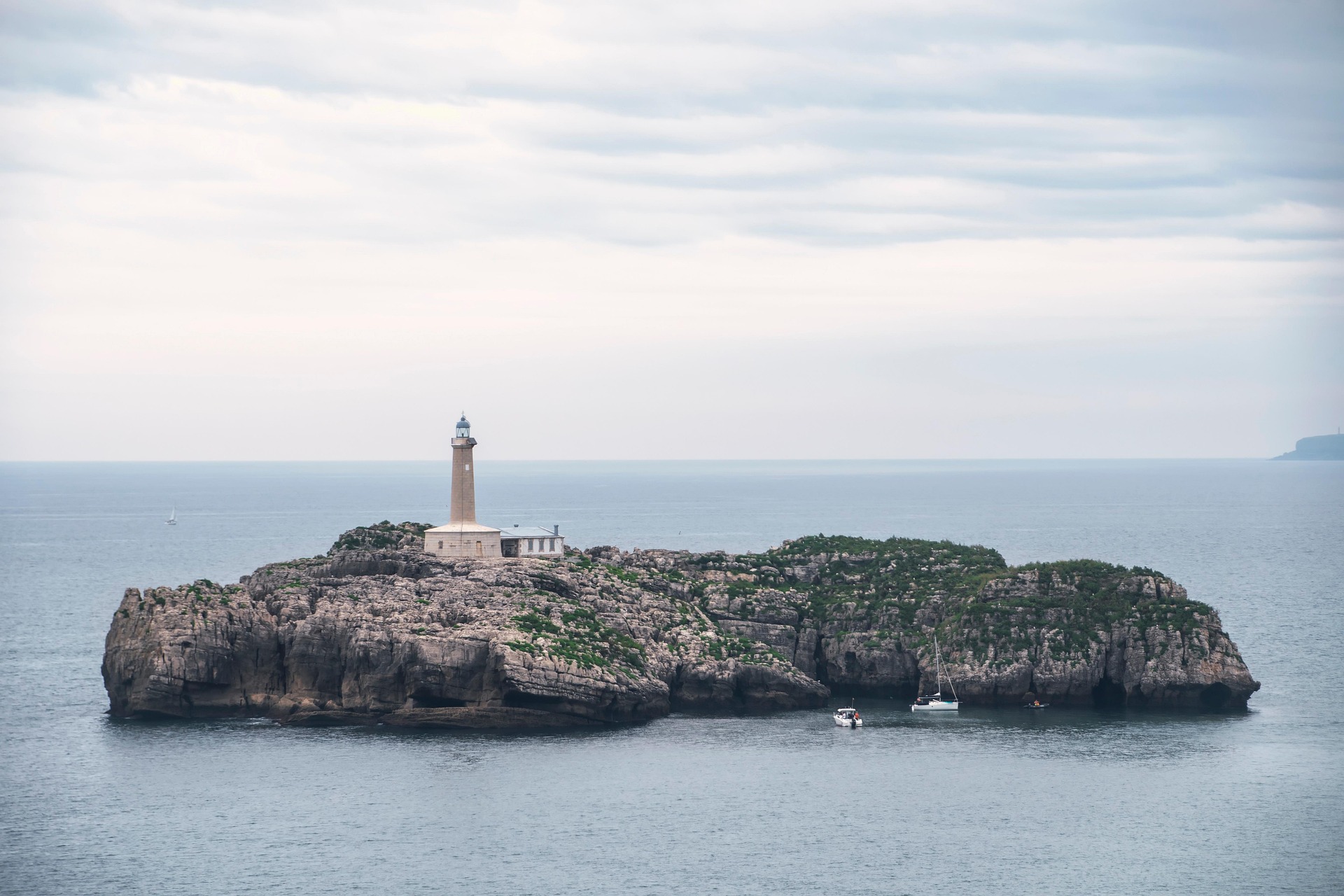
The International Lighthouse Lightship Weekend (ILLW) is one of the most popular international amateur radio events in the world. The last edition saw the participation of over 500 lighthouses and lightships from over 40 countries, and over the history of the event, operators from over 90 countries have participated. The event is organized by Kevin, VK2CE, from Australia, who has been involved in ILLW since 1998 and currently owns the domain and website for the event.
In the article you will read
When will ILLW be held?
ILLW is typically held on the third full weekend in August, lasting 48 hours. This year's date is set from 00:01 UTC on August 15, 2026 to 24:00 UTC on August 16, 2026. The next edition will take place from 00:01 UTC on August 21, 2027 to 24:00 UTC on August 22, 2027, again lasting 48 hours.
Running alongside ILLW is the International Lighthouse Heritage Weekend, organised by the UK's Association of Lighthouse Keepers (ALK). It aims to encourage lighthouse keepers, keepers and owners to open their lighthouses and associated visitor centres to the public over the weekend.
Keďže to nie je contest, čo to je?
ILLW výslovne NIE je contest. Neexistujú žiadne ceny, diplomy ani iné motivačné prvky na súťaženie, účasť je preto úplne bezplatná. Každá zúčastnená stanica si sama rozhoduje, ako bude prevádzkovaná – aké módy a pásma použije, v rámci podmienok svojej rádioamatérskej licencie. Účastníci nie sú viazaní byť v éteri počas celého 48-hodinového obdobia, stačí, keď venujú podujatiu toľko času, koľko im vyhovuje. Neexistujú ani obmedzenia na typ antén či výkon.
The goal of ILLW is for operators to have fun and enjoy making contacts with as many amateur radio stations as possible. The organizers ask that stations also make time to make contacts with other lighthouses or lightships, as well as with slower operators, newly licensed stations, or QRP stations.
The event was originally called the Scottish Northern Lights Award and was organised by the Ayr Amateur Radio Group in Scotland in 1998. It was founded by John Forsyth and Mike Dalrymple. Over time, it has become a global event, now supported by major national amateur radio organisations such as the RSGB, ARRL and WIA, contributing to its widespread international participation.
Video: ILLW in practice
FAQ and basic rules
How close to the lighthouse do I have to be?
Since most lighthouses are usually fully occupied, the activity does not need to take place directly inside the tower. A Field Day set-up at the lighthouse or in an adjacent building is fine. The rules require that the station be located AT or IMMEDIATELY adjacent to the lighthouse – the purpose of this requirement is to provide a visible presence to the public who may visit the lighthouse during the weekend. Permission to operate from a lighthouse or lightship should be obtained from the appropriate authorities. Operation from fake or replica lighthouses or lights on poles is discouraged as it is not in keeping with the spirit of the event.
What is considered a beacon within this event?
A lighthouse is generally considered to be a structure that is or has been officially listed as a navigational aid in a recognised publication, such as the British Admiralty List of Lights and Foghorns, and that conforms to the classic concept of a lighthouse – that is, a substantial tower with an internal staircase, a rotating Fresnel lens and a designated (current or former) lighthouse keeper. Lighthouses that have been moved to a museum for historical reasons are also permitted. The mere inclusion of a light in the official lists does not automatically qualify a structure for this event – this applies to, for example, range lights, channel markers or breakwater lights. A list of rejected lights is published directly on the ILLW website.
The same criteria apply to lightships – they must be officially listed as floating navigational aids. Lightships currently used as restaurants or for other commercial purposes are not acceptable for the event. Faux lighthouses, i.e. replicas or miniatures built for decorative purposes without official status as navigational aids, are not in the spirit of the event and will not be included in the official list of participants by the organizers.
What frequencies and modes can I use?
Keďže nejde o contest, môžete prevádzkovať na akejkoľvek povolenej frekvencii a móde podľa vašej licencie. Nie je možné určiť konkrétne frekvencie, keďže do podujatia je zapojených vyše 50 krajín, každá s vlastným pásmovým plánom, a legálne v jednej krajine môže byť nelegálne v inej. Licenčné podmienky sa tiež líšia podľa triedy licencie, výsledok ovplyvňuje aj aktuálne šírenie.
Pokiaľ ide o digitálne módy vrátane FT8, organizátori poznamenávajú, že jedným z hlavných cieľov ILLW je vybudovať prenosné stanice pri majáku alebo v jeho blízkosti s úmyslom demonštrovať verejnosti, čo rádioamatérske spojenie dokáže, prostredníctvom hlasového kontaktu s podobnými stanicami pri iných majákoch. FT8 je mód typu „klávesnica ku klávesnici“, ktorý podľa organizátorov nie celkom zodpovedá podstate rádioamatérskeho koníčka, a demonštrovanie počítačom riadeného módu návštevníkom majáka môže vytvárať skreslený dojem o hobby. KV transceiver s drôtovou anténou vraj lepšie vystihuje príbeh rádioamatérstva. Napriek tomu použitie FT8 nie je zakázané – ide len o odporúčanie, nie o pravidlo.
How do I call "CQ"?
To facilitate identification by other stations, the organizers ask participating CW stations to add the abbreviation LT (for lighthouse) or LS (for lightship) to their callsign. Other types of operations may add the word LIGHT, LGT, LIGHTHOUSE or LIGHTSHIP. Some stations will even obtain a callsign with the letter L in the suffix to facilitate identification as a participating station in the event.
Why is there a list of beacon numbers on wllw.org?

The ILLW organizers have compiled a list of lighthouses and lightships participating in the event, with the aim of assigning each one an identification number. These numbers are mainly used in situations where it is difficult to clearly recognize the name of the lighthouse over the air in difficult propagation conditions. The list is gradually expanding, but it will never attempt to be a definitive list of all existing lighthouses in the world. If your lighthouse is not listed, there is no need to worry - simply register with a blank field for a number that will be assigned to you after your registration is received and approved.
Is registration mandatory?
Registration is voluntary, but it helps to inform other participants which beacons will be on the air. Multiple registrations with different call signs for the same beacon are not normally accepted unless there is a valid reason for doing so - other call signs can of course be used directly on the air. It is not unusual for a second registration for the same beacon to be submitted by a different group or person; in such cases, the organizers do not reject the second registration in the hope that the participating stations can share the operation in a friendly and peaceful manner.
Summary
ILLW is a unique event that combines amateur radio operations with the promotion of the preservation and restoration of lighthouses and lightships as part of the maritime heritage. Thanks to the absence of a competitive nature, a minimum of rules and an emphasis on a friendly atmosphere, it has built a position as one of the most popular international amateur radio events in more than a quarter of a century of existence. Complete rules, registration form and a list of participating lighthouses can be found on the official website illw.net, a list of lighthouses with assigned numbers can be found on wllw.org.