
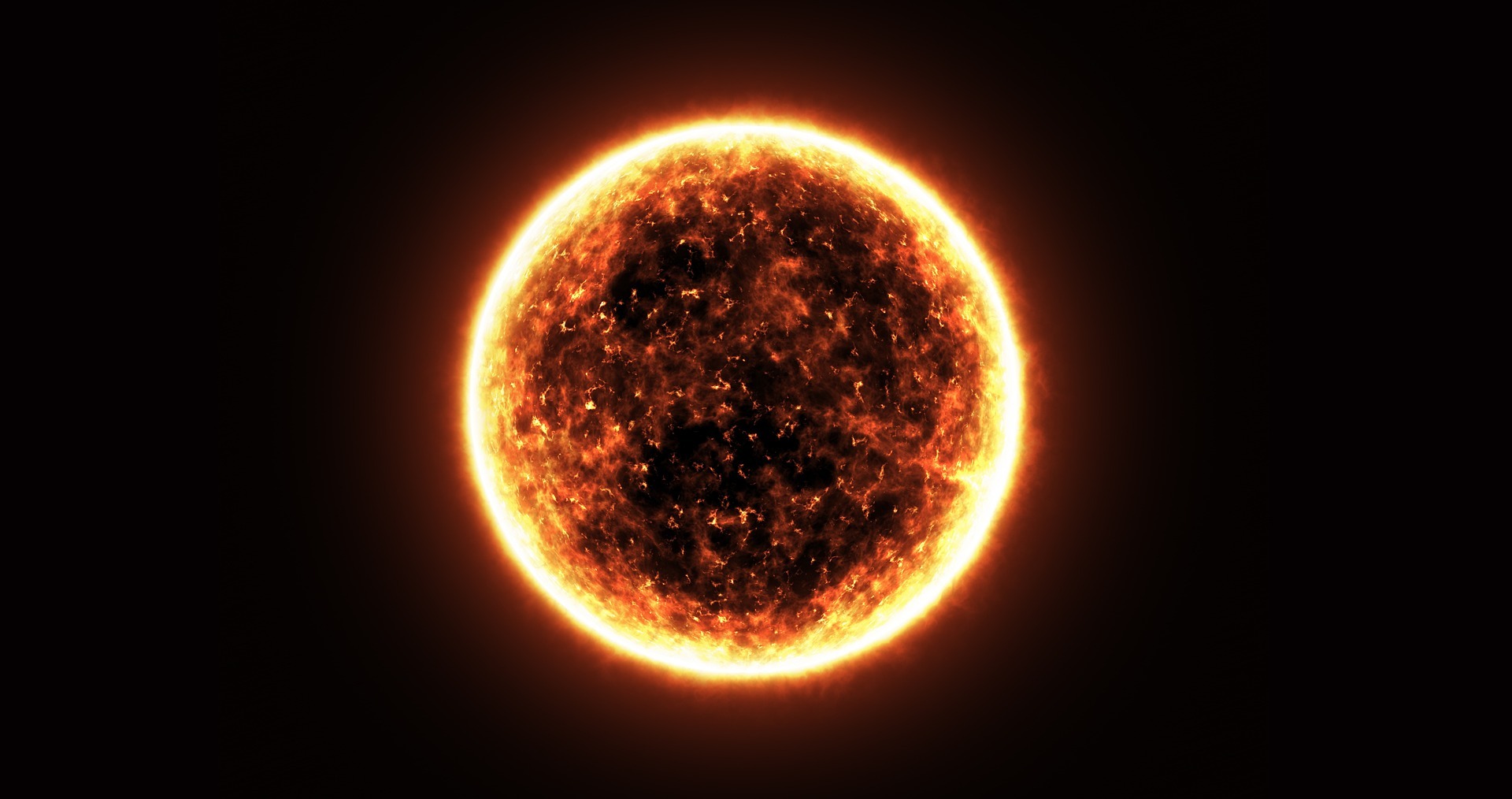
It seems that the 24th cycle of solar activity, which according to NASA's original assumptions should have peaked last year, is getting off to a good start. Sunspot number 1158 is currently the most active sunspot in the past four years. The eruptions, which (for now) culminated in a massive flare at 01.56 UTC on the night of February 15th, reached an X Class flare of X2!
This resulted in a relatively massive coronal mass ejection (CME) towards the ground. While a week ago the value of the Solar Radio Flux (SFI) was hovering around 79 and the bands above 20 meters were almost empty, today (15/02) it jumped to a respectable 113! Likewise, the relative number of sunspots improved in a week from 22 to 90. We will see what will happen when the solar wind reaches the earth, depending on the speed, within 24-48 hours.

Prvý dôkaz vysokej slnečnej aktivity bol viditeľný v okolí mesta Vesteralen na Severe Nórska (viz obr.) a krátko na to v mnohých ďalších miestach Škandinávie, Aljašky a Kanady. Ak bude tento trend pokračovať, môžeme sa tešiť na rýchle otvorenie horných pásiem, už dnes sa DX cluster has been filled since the morning with an unusually high number of reports in the 15, 12 and 10 meter bands. We just have to hope that the sun, which has been confusing even experts from NASA for the last 4 years, has not just shot out of us and the values of the relative numbers of spots will not return to the values of the last years of solar sleep.
Patrick, OM1XQ