
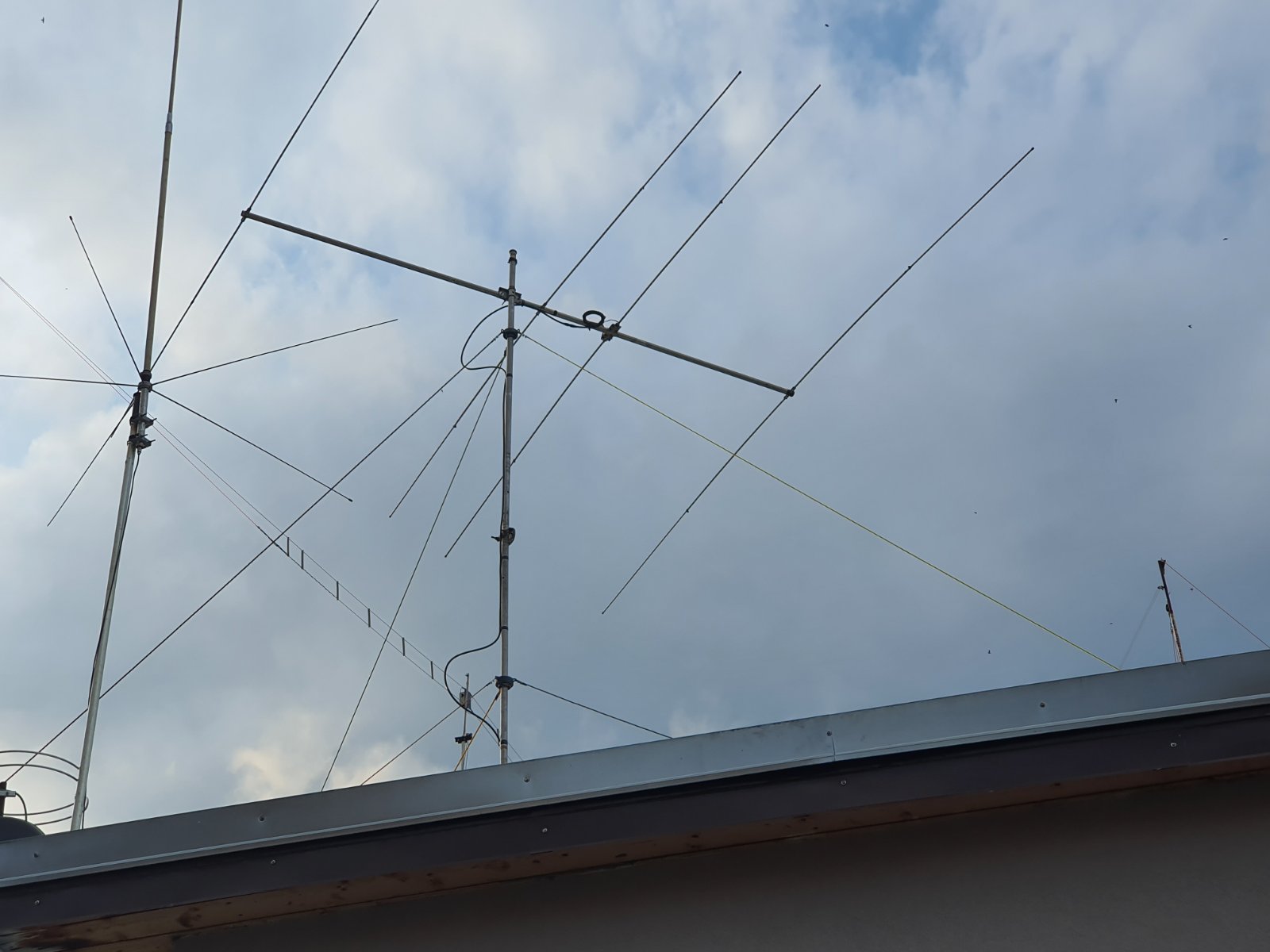
Rádioamatérstvo – v anglofonej komunite rozšírené ako hamradio – je technické hobby s viac ako storočnou tradíciou, ktoré ani v dobe mobilného internetu nestráca na relevanticii. Práve naopak: kombinácia digital modes, softvérovo definovaných prijímačov a satelitnej komunikácie priniesla do éteru nástup nových operátorov. Ak vás zaujíma fyzika šírenia elektromagnetických vĺn, konštrukcia antén, contesting alebo jednoducho možnosť nadviazať spojenie s iným kontinentom vlastnoručne postavenou stanicou, tento článok vám poskytne orientáciu v piatich kľúčových krokoch.
Amateur radio communication service is defined according to international regulations as a service serving the purposes of self-education, mutual communication and technical study, carried out by persons with a legitimate interest in radio engineering exclusively without financial gain. In Slovakia, the activity of radio amateurs is regulated by Regulatory Authority for Electronic Communications and Postal Services na základe príslušnej vyhlášky. Každý licencovaný operátor It has been assigned a call sign with the prefix OM, which uniquely identifies it on the air.
V článku sa dočítate
Tip 1: Start as a listener – SWL

The best way to get into amateur radio does not require any license or investment in broadcasting equipment. All you need is to be a SWL – Short Wave Listener. To receive amateur radio traffic on the HF bands, a cheap SDR receiver connected to a PC via USB (napríklad typ RTL-SDR for a few euros) and a piece of wire hung from the window as receiving antenna. Posluchom sa naučíte medzinárodnú hláskovaciu tabuľku , Q-kódy, štruktúru bežného QSO a pochopíte, ktoré pásma sú kedy aktívne. Ako poslucháč môžete rádioamatérom posielať QSL tickets about the connection listened to, or apply for listener diplomas issued by national associations.
Tip 2: Get a license – exams and legislation in Slovakia
In order to press PTT and transmit, you need a License to operate an amateur radio station. This is preceded by a special professional competence exam organized by the office in Bratislava. There are two categories of licenses in Slovakia:
| Class | Determination | Bands and performance | International equivalent |
|---|---|---|---|
| N (Novice) | beginners | selected bands, limited power (up to 100 W) | — |
| E (Extra) | full license | all amateur bands, up to 750 W on selected bands | HAREC |

Exam consists of three circuits: radio engineering (circuits, antennas, wave propagation, measurement, safety), operating rules (QSO procedure, log keeping, Q-codes) and legislation (regulations, frequency plan). Knowledge of Morse code is not a legal requirement, although its mastery by the operator opens up possibilities CW prevádzky s výrazne lepšou penetráciou cez QRM a QRN. Na prípravu slúžia prepared answers to exam questions available at CQ.sk, or preparatory courses organized by the Radio and Television Administration and local radio clubs. After a successful exam, you will apply to the office for a permit and assignment of a call sign.
Tip 3: Understand frequencies – HF and VHF bands
Radio amateurs are assigned frequency bands across the spectrum from longwave (135 kHz) to microwaves. For a beginner, two groups of bands are practically the most important.

Short waves (HF, or HF – High Frequency, 3–30 MHz) allow connections over intercontinental distances thanks to reflection from the ionosphere. The 40 m (7 MHz), 20 m (14 MHz) and 15 m (21 MHz) bands are the most frequent for European operators. The 20 m band is often referred to as the DX band, as it is active almost at any time and the propagation conditions on it allow connections with the whole world. Class N license opens access to selected HF bands with power up to 100 W.
Very short waves (VHF, or VHF/UHF – Very High Frequency / Ultra High Frequency) include the 2 m (144 MHz) and 70 cm (432 MHz) bands. Propagation is predominantly rectilinear, the range is local – typically up to 50–100 km – unless special conditions are present (Es, MS, EME). Začiatočníci veľmi často začínajú práve na VKV s lacnou ručnou rádiostanicou (handheld) a komunikujú cez miestny Prevádzač (repeater). Na pásme 2 m a 70 cm je tiež aktívny lokálny traffic a digital voice (DMR, C4FM).
Tip 4: Basics of Operation – Modes and QSO Procedure
The basic operating mode on HF is SSB (Single Sideband) – on bands below 10 MHz it prevails LSB, nad 10 MHz USB. Pre CW (Morse code) the signal penetrates interference and weak propagation significantly better than SSB at the same power, which is why CW is still the dominant mode for DX contests and long-distance connections. digital modes je v súčasnosti najrozšírenejší FT8 (a FT4), which allows long-distance connections even at very low signal levels and a power of a few watts.
Štruktúra bežného SSB QSOs je jednoduchá: CQ volanie s volacou značkou a polohou, odpoveď korešpondenta, výmena RS (Readability / Strength) správy a lokátora alebo QTH, prípadne ďalšie informácie podľa charakteru prevádzky. Pre DX prevádzku platí stručnosť: pri pileupu na DX expedíciu sa vysielate len svoju volací znak – bez „de“, bez „K“. Potvrdenie QSOs prebieha elektronicky cez LoTW (logbook of the World), QRZ.com alebo eQSL, prípadne klasickou papierovou QSL kartou cez QSL manažéra alebo OM buro.
Tip 5: Zapojte sa do komunity and využite DX cluster
Local radio clubs and organizations

Slovenský zväz rádioamatérov (SZR) zastrešuje rádioamatérsku komunitu na Slovensku a je členom IARU (International Amateur Radio Union). Joining a local radio club is probably the quickest way for a beginner to gain practical knowledge: experienced operators will show you the technique, help with the antenna and may allow you to broadcast under supervision on the club's call sign. A list of Slovak radio clubs is available on the SZR website. The online community for Slovak and Czech operators is the CQ.SK portal with a forum, a hambazar, technical articles and contest results.
DX cluster: živý zdroj spotov z éteru

DX cluster je celosvetová sieť uzlov, cez ktorú si rádioamatéri v reálnom čase oznamujú zaujímavé stanice – vzácne DX entity, contestové stanice alebo expedície. Keď operator počuje zaujímavý callsign, zapíše spot vo formáte: volací znak toho, kto spot zadal, volací znak DX stanice, kmitočet a stručná poznámka. Spoty sa šíria celou sieťou v priebehu sekúnd.
Pre praktickú prácu s DX clusterom slúžia webové rozhrania ako DX Summit (www.dxsummit.fi) alebo DX Watch, kde možno filtrovať spoty podľa pásma, módu alebo DX entity. Contestový softvér N1MM Logger+ alebo Win-Test zobrazuje spoty priamo v pracovnom okne and umožňuje jedným kliknutím naladiť tranceiver na spotovaný kmitočet. Pre DXera, ktorý zbiera DXCC entity, je DX cluster nevyhnutným nástrojom: bez živého prehľadu spotov je šanca zachytiť vzácnu expedíciu výrazne nižšia. Odporúča sa filtrovať spoty podľa pásma and módu, ktorý aktuálne ovládate, and pri práci s clusterom vždy najprv počúvajte – spot nemusí byť aktuálny and DX stanica môže byť uprostred pileupu.
Summary
The path to amateur radio has clearly defined steps: start by listening without any permission, prepare for exams, understand the frequency plan, master basic operating procedures, and get involved in the community. Each of these steps can be done independently, while joining a local radio club and working with a DX cluster will shorten the learning curve to a minimum. Amateur radio is not just a hobby - it is a lifelong study of wave propagation and electronics with an immediate practical response in the form of a signal traveling thousands of kilometers through the air.