
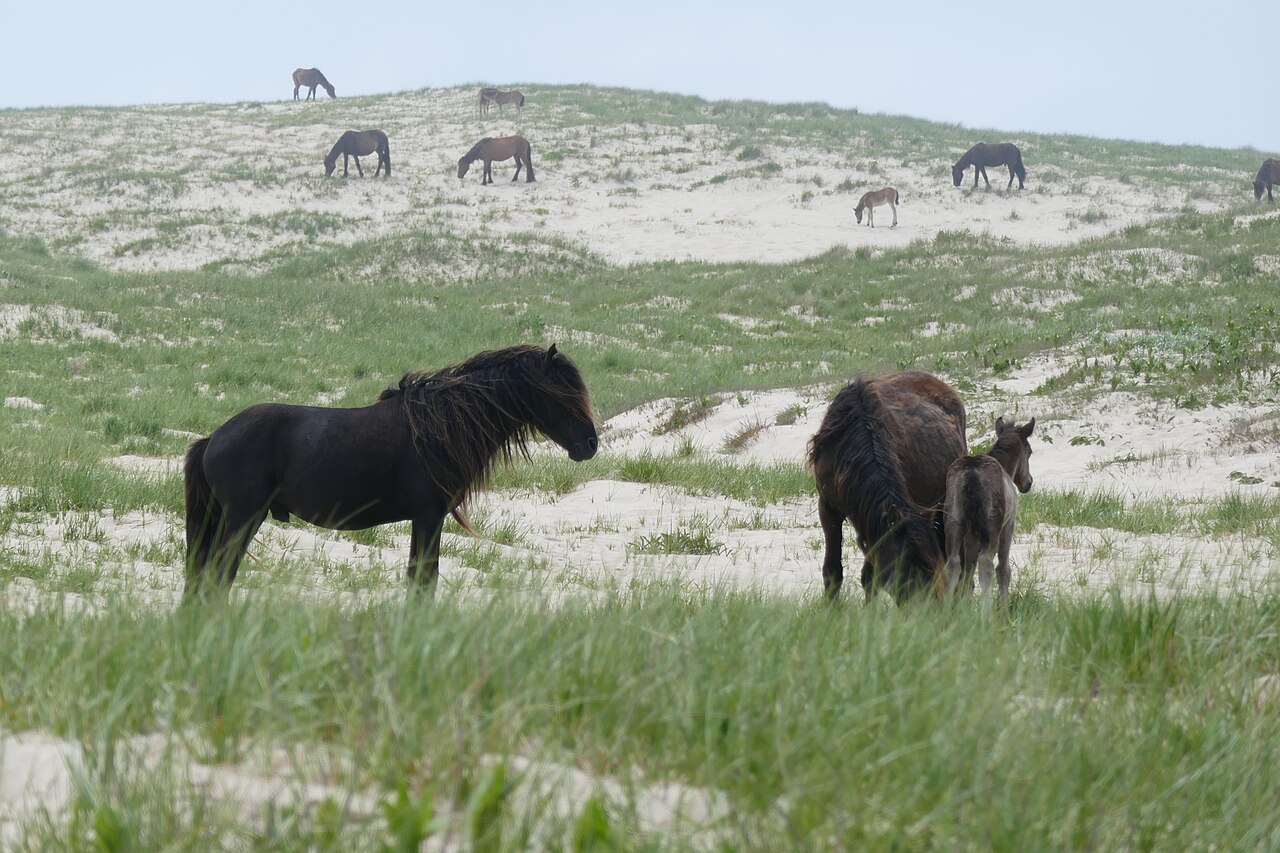
Sable Island s prefixom CY0, nie je len obyčajným kusom zeme v Atlantickom oceáne. Tento úzky piesočnatý oblúk, nachádzajúci sa približne 300 kilometrov juhovýchodne od Halifaxu v Novom Škótsku, je pre rádioamatérov symbolom nedostupnosti a výzvy. S dĺžkou približne 42 kilometrov a šírkou necelý kilometer a pol ide o dynamické prostredie tvorené neustále sa meniacimi piesočnými dunami. Ostrov je známy ako „Cintorín Atlantiku“ kvôli viac než 350 historickým stroskotaniam lodí, no pre rádioamatérsku komunitu je to predovšetkým jedna z najžiadanejších DXCC entít na svete.
V článku sa dočítate
Pozvanie, ktoré sa neodmieta
Základným impulzom pre rok 2026 bolo oficiálne pozvanie od správy národného parku Parks Canada. Tá po úspešnej prevádzke v roku 2023 opäť prejavila dôveru tímu CY0S a pozvala ich na 10 až 12-dňový pobyt v termíne od 19. do 31. marca 2026. Pre rádioamatérov ide o vzácnu príležitosť, pretože prístup na tento izolovaný piesočnatý ostrov je prísne regulovaný z dôvodu ochrany unikátneho ekosystému, ktorý zahŕňa divoké kone a kolónie tuleňov.
Lídrami tímu sú opäť skúsení veteráni Murray Adams (WA4DAN) a Glenn Johnson (W0GJ). Ich mená sú v DX svete zárukou kvality a profesionality. K nim sa pripojil Ralph Fedor (K0IR), legenda rádioamatérskeho sveta a držiteľ desiatich ocenení „DXpedition of the Year“. Ralphov príchod do tímu dodal projektu punc výnimočnosti, keďže ide o operátora, ktorý aktivoval tie najnehostinnejšie miesta na planéte.
Sable Island: Piesočná duna uprostred oceánu
Ostrov Sable sa nachádza približne 300 kilometrov východne od Halifaxu v Novom Škótsku. Geograficky ide o dynamický a neustále sa meniaci útvar. Aktuálne má dĺžku 40 kilometrov, no jeho šírka nikde nepresahuje 1 kilometer. Celý povrch ostrova tvorí výhradne piesok. Chýba tu akákoľvek prirodzená ochrana v podobe stromov, čo v marci, kedy na ostrove vládne mrazivé, veterné a zasnežené počasie, predstavuje pre operátorov aj techniku enormnú záťaž.
Vietor tu bežne dosahuje v nárazoch rýchlosť 40 až 60 uzlov (približne 75 až 110 km/h). Absencia vegetácie znamená, že stožiare a antény musia odolávať priamemu tlaku arktických búrok. Tím v rámci príprav musel navrhnúť špeciálne 42-palcové drevené kotviace kolíky, ktoré sú schopné udržať anténne systémy v sypkom a nestabilnom piesku.
Logistický rébus a hmotnostné limity
Doprava na ostrov je najkritickejším bodom celého projektu. Neexistuje tu žiadna pristávacia dráha. Tím využíva služby spoločnosti Sable Aviation a ich lietadlo Britten-Norman Islander, ktoré musí pristáť na južnej pláži ostrova. Toto pristátie je závislé od prílivu, tvrdosti piesku a viditeľnosti. Oneskorenia letov sú tu bežnou praxou, na čo tím reaguje maximálnou flexibilitou.
Hmotnostný limit je neúprosný. Celková povolená hmotnosť pre dva lety je stanovená na 2880 libier (približne 1306 kg). Táto cifra však zahŕňa nielen techniku, ale aj deväť členov tímu, ich osobné veci a všetku stravu. Výpočty ukázali, že samotní operátori s osobným vybavením zaberajú až 73 % celkovej nosnosti. Aby sa expedícia vôbec mohla uskutočniť, členovia tímu museli prejsť na stravu vo forme mrazením sušených (freeze-dried) potravín a ich osobná batožina bola obmedzená na 42 libier (19 kg) na osobu.
Cesta do Halifaxu a finálne prípravy
Cesta na Sable začala dlho pred odletom. Glenn (W0GJ) a Murray (WA4DAN) absolvovali 2300-kilometrovú jazdu autom z vnútrozemia USA až do Halifaxu, naložení tonami vybavenia. Už 16. marca 2026 sa v hangároch Vision Air Services v Halifaxe začalo s kľúčovým vážením materiálu. Časť ťažkej techniky bola naplánovaná na prepravu vrtuľníkom Sikorsky, zatiaľ čo zvyšok a operátori mali letieť lietadlom Britten-Norman Islander v stredu 18. marca.
Počasie v oblasti sa však v polovici marca začalo prudko zhoršovať. Predpovede hlásili silný dážď a vietor, čo opäť potvrdilo, že na Sable Island sa nelieta podľa vopred stanoveného grafikonu, ale podľa toho, čo dovolí príroda. Tím pod vedením Larryho (W0PR) a Billa (K5DHY) zatiaľ intenzívne pracoval na publicite a získavaní finančných prostriedkov, keďže rozpočet expedície sa vyšplhal na 110 000 USD.
Expedícia CY0S 2026 je dôkazom nezlomnej vôle rádioamatérskej komunity. Je to súboj s časom, počasím a prísnymi limitmi, ktorého výsledkom bude aktivácia jednej z najikonickejších staníc dekády.
FlexRadio Aurora: Koniec éry samostatných zosilňovačov

Jedným z najvýznamnejších technických rozhodnutí tímu bolo nasadenie šiestich úplne nových rádiostaníc FlexRadio Aurora AU-520M. Tieto zariadenia predstavujú technologický skok, ktorý bol pre úspech CY0S kľúčový. Aurora disponuje integrovaným výkonom 500 wattov, čo tímu umožnilo eliminovať potrebu samostatných koncových zosilňovačov.
V podmienkach, kde sa bojuje o každý kilogram nosnosti lietadla, znamenalo odstránenie ťažkých zosilňovačov a prepojovacích káblov úsporu stoviek kilogramov. Vo februári 2026 prebehli v domácom prostredí Craiga (K9CT) komplexné testy všetkých šiestich staníc zapojených do siete. Testovanie zahŕňalo módy CW, SSB, RTTY a FT8, pričom sa potvrdila bezchybná súčinnosť s notebookmi a sieťovou infraštruktúrou. Jedna zo staníc je špeciálne nakonfigurovaná pre simultánnu prevádzku na HF FT8 a 6 metrov.
Anténny inžiniering pre orkánový vietor
Anténny park expedície je navrhnutý s ohľadom na absenciu prirodzených prekážok vetra. Tím stavil na overené riešenia od DX Engineering a spiderbeam. Základom sú 12-metrové sklolaminátové teleskopy (Spider Poles), ktoré prešli výrazným posilnením.
Inovatívny prístup zvolil tím pri kotvení. Každý stožiar má inštalované kotviace prstence každé tri metre. Vzhľadom na to, že vietor na Sable dosahuje v nárazoch rýchlosť cez 100 km/h, boli všetky kotviace laná vopred namerané a pripravené už v domácich podmienkach. Kotviace kolíky majú dĺžku 42 palcov (vyše 100 cm), aby v sypkom piesku dosiahli potrebnú stabilitu. Tím tiež upravil yagi antény pre pásma 10 až 20 metrov, ktoré sú po testovaní uložené v špeciálnych lyžiarskych vakoch na uľahčenie transportu lietadlom.
Historická premiéra na 23 cm EME CY0S
Najväčším technickým lákadlom CY0S 2026 je historicky prvá aktivácia pásma 23 cm z ostrova Sable. Lee (WW2DX) strávil stovky hodín konfiguráciou vybavenia pre odraz od Mesiaca (EME). Celá zostava pre 1296 MHz je integrovaná do odolného kufra Pelican.
Hoci tím pôvodne čelil problémom s rotátorom pre EME anténu, vo februári 2026 boli všetky závady odstránené. Podľa prepočtov bude Mesiac počas expedície vo veľmi výhodnej pozícii, čo dáva nádej stovkám EME nadšencov na nadviazanie historicky prvého spojenia so Sable Island na tejto frekvencii. Okrem EME je veľká pozornosť venovaná aj pásmu 6 metrov, kde bude tím používať špeciálnu Yagi anténu a výkon 500 W.
CY0S frekvencie
V oblasti digitálnej prevádzky bude CY0S využívať najmodernejší protokol „SuperFox“ v rámci softvéru WSJT-X. Tento mód umožňuje expedičnej stanici spracovať masívny pile-up s vyššou efektivitou než starší mód Fox/Hound. Na pásme 60 metrov však tím zostane pri klasickom FT8, aby zabezpečil kompatibilitu so všetkými užívateľmi.
Frekvenčný plán
| Pásmo | CW | SSB | FT8 | RTTY |
|---|---|---|---|---|
| 160 m | 1.820 | 1.860 | 1.836 | – |
| 80 m | 3.523 | 3.790 | 3.567 | – |
| 60 m | 5.352 | – | 5.357 | – |
| 40 m | 7.023 | 7.175 | 7.056 | 7.045 |
| 30 m | 10.108 | – | 10.131 | 10.142 |
| 20 m | 14.023 | 14.240 | 14.091 | 14.085 |
| 17 m | 18.079 | 18.130 | 18.091 | 18.105 |
| 15 m | 21.023 | 21.285 | 21.091 | 21.080 |
| 12 m | 24.894 | 24.955 | 24.911 | 24.925 |
| 10 m | 28.023 | 28.485 | 28.091 | 28.080 |
| 6 m | – | – | 50.313 / 50.323 | – |
Konektivita a potvrdzovanie spojení
Vďaka technologickej podpore od Remote Ham Radio a Starlink bude tím schopný v reálnom čase nahrávať logy na servery ClubLog. Toto je dnes už nevyhnutný štandard, ktorý znižuje počet duplicitných spojení. QSL servis bude zabezpečovať Bill (K5DHY) prostredníctvom systému OQRS, pričom prioritou je okamžité nahrávanie do systému LoTW.
QSL informácie CY0S
- Online OQRS cez Club Log po skončení DX expedície (preferované)
- Priamo (Direct) cez WA4DAN (SASE + 5 USD)
- LoTW
Technická stránka expedície CY0S 2026 ukazuje smer, ktorým sa bude uberať moderný DXing: integrácia výkonu do rádioamatérskych staníc, využívanie digitálnych módov novej generácie a extrémna precíznosť v anténnom inžinierstve. Ostrov Sable je neúprosným testovacím polygónom a tím CY0S je pripravený potvrdiť, že technologický pokrok dokáže prekonať aj tie najťažšie prírodné bariéry.
Aktuálne informácie na https://t-rexsoftware.com/cy0s/index.htm#reloaded